 English
 Dutch
 Russian
Pilgrimage to Serbia and Montenegro: Ostrog, M…

Pilgrimage to Serbia and Montenegro: Ostrog, Mileševa and Studenica
Pilgrimage to the Holy Places of Serbia and Montenegro
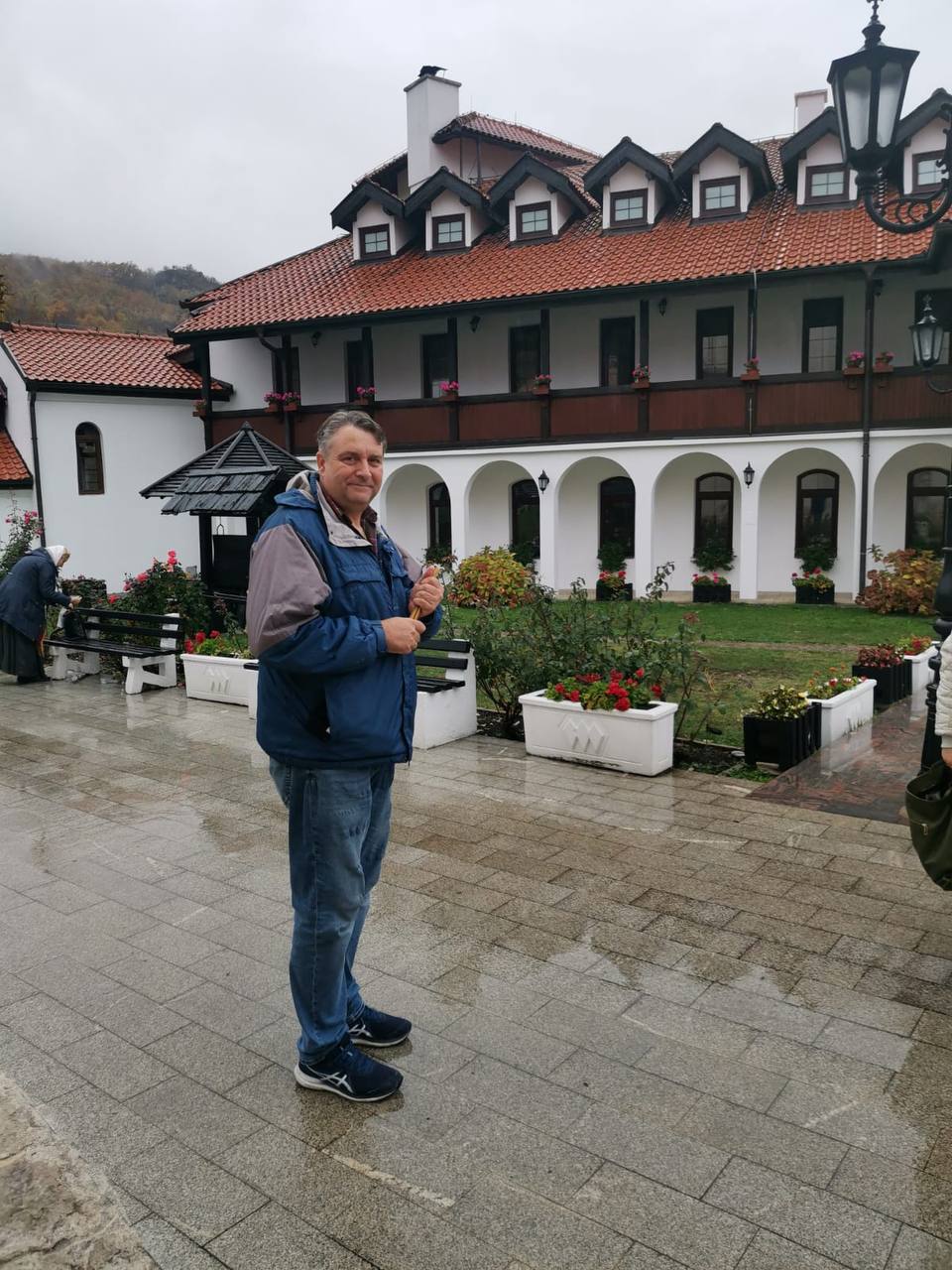
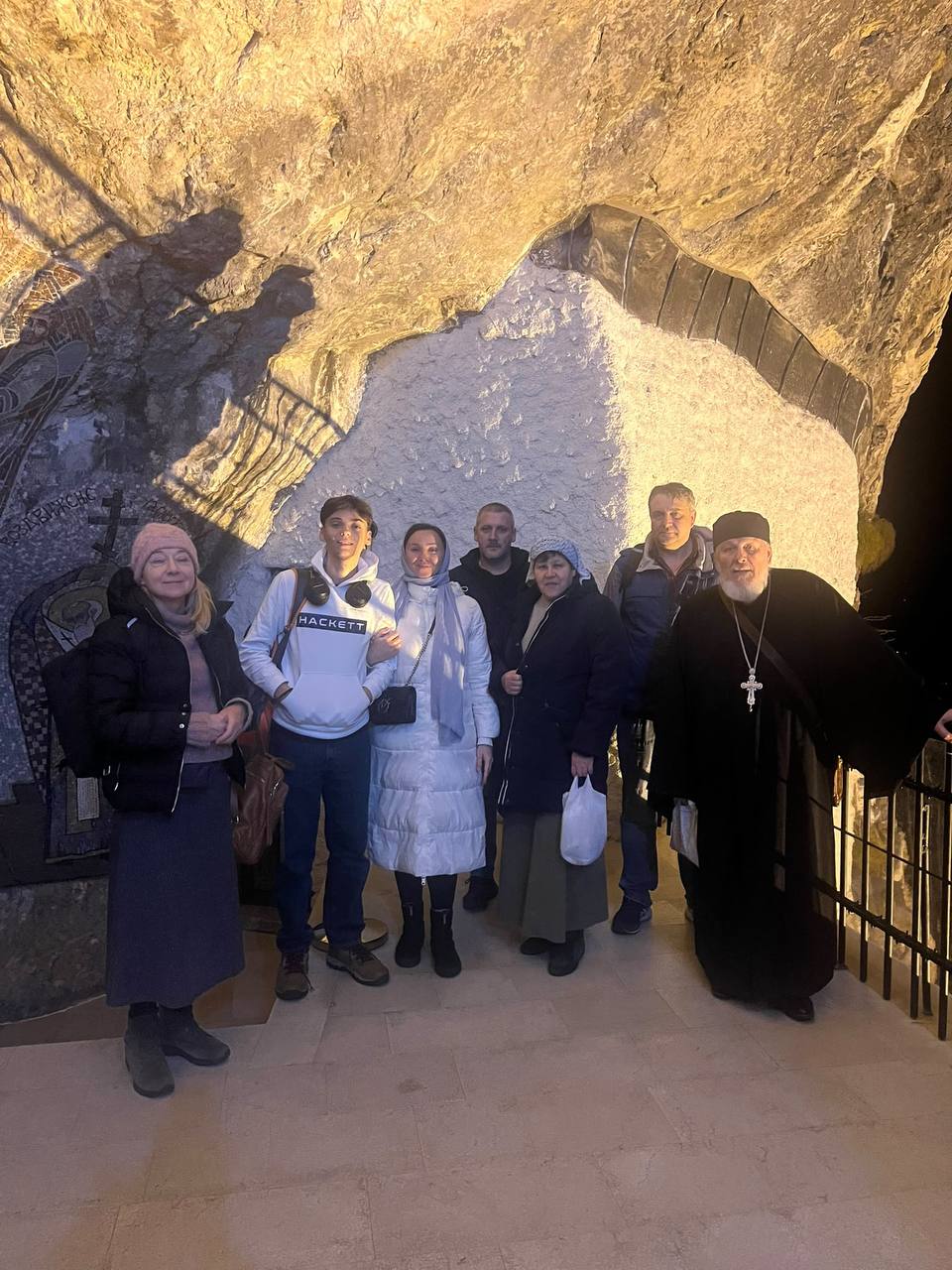
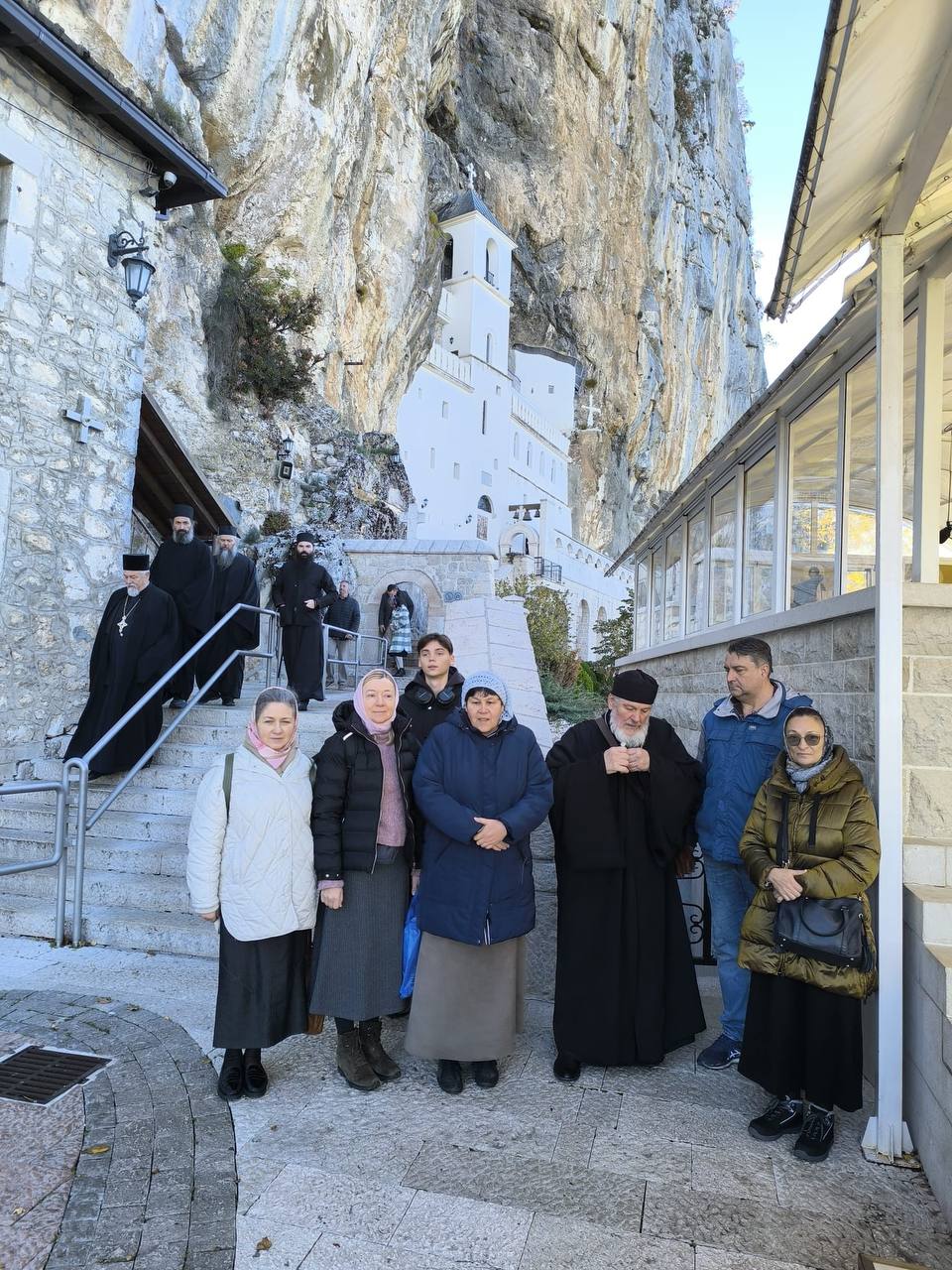
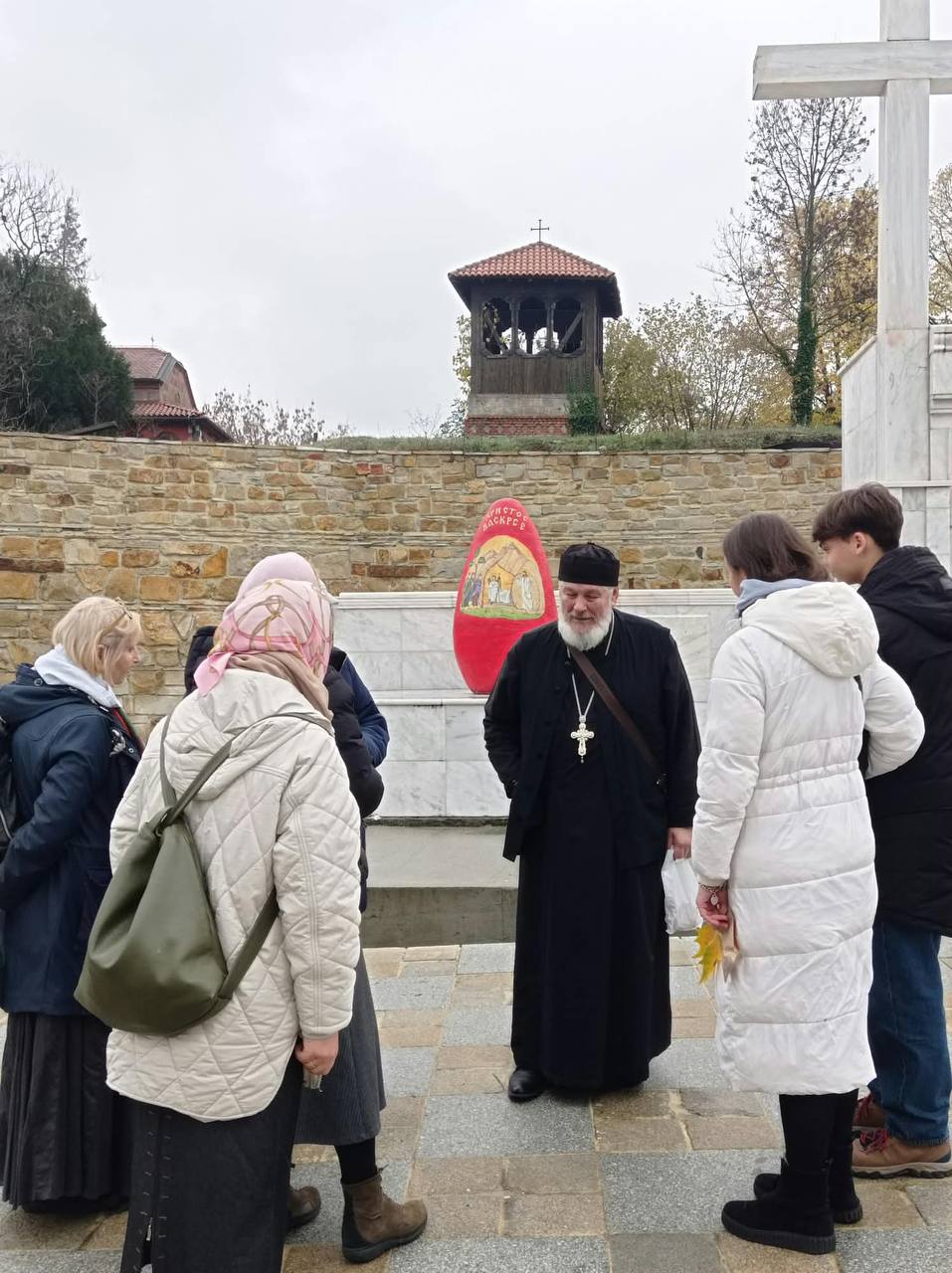
With the blessing of Archbishop Simon, from November 2 to November 6, parishioners of the Church of Saint John the Apostle and Evangelist in Ostend took part in a pilgrimage to the holy places of Serbia and Montenegro. The group was accompanied by the parish priest, Father Gennady.
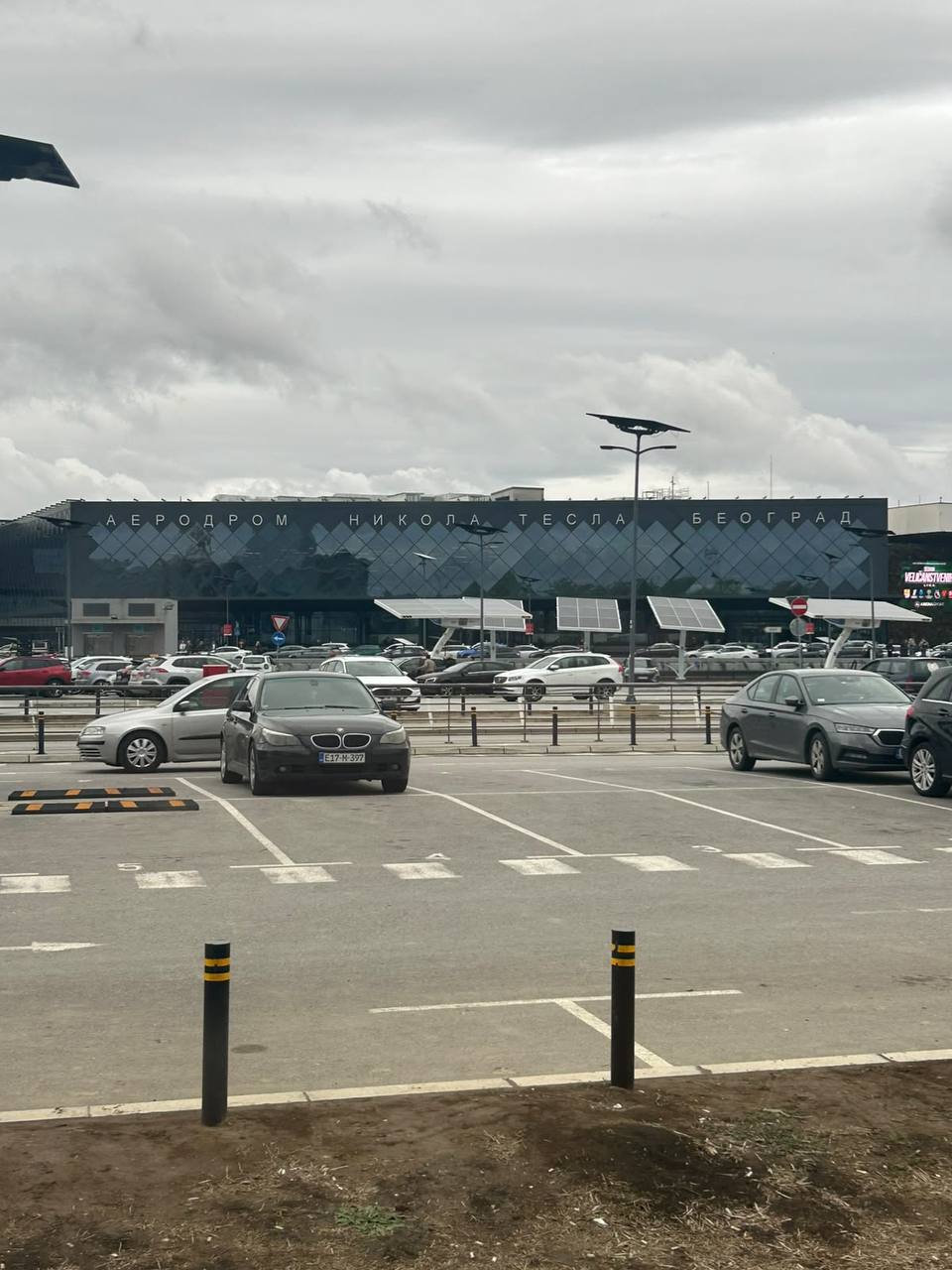
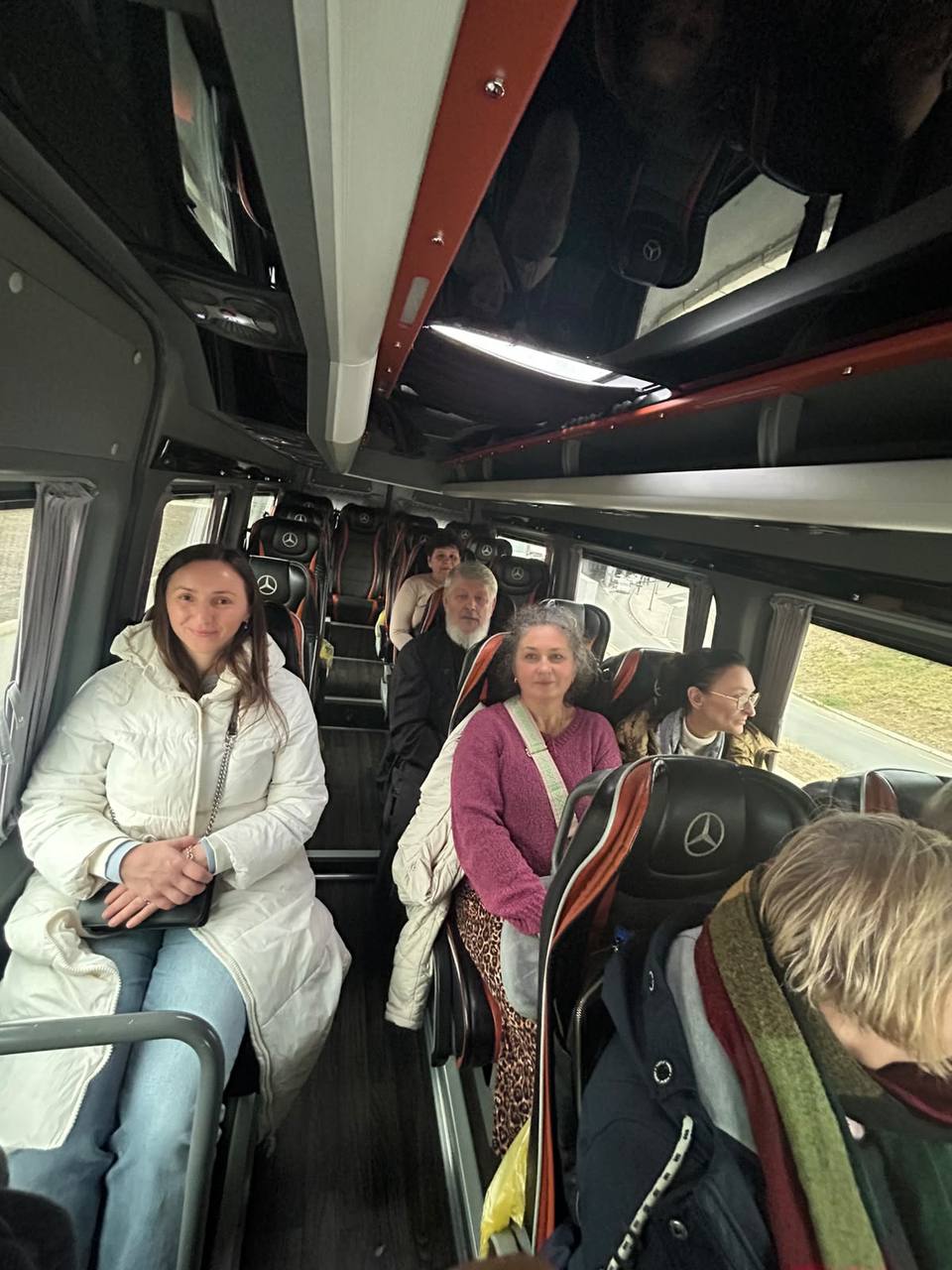
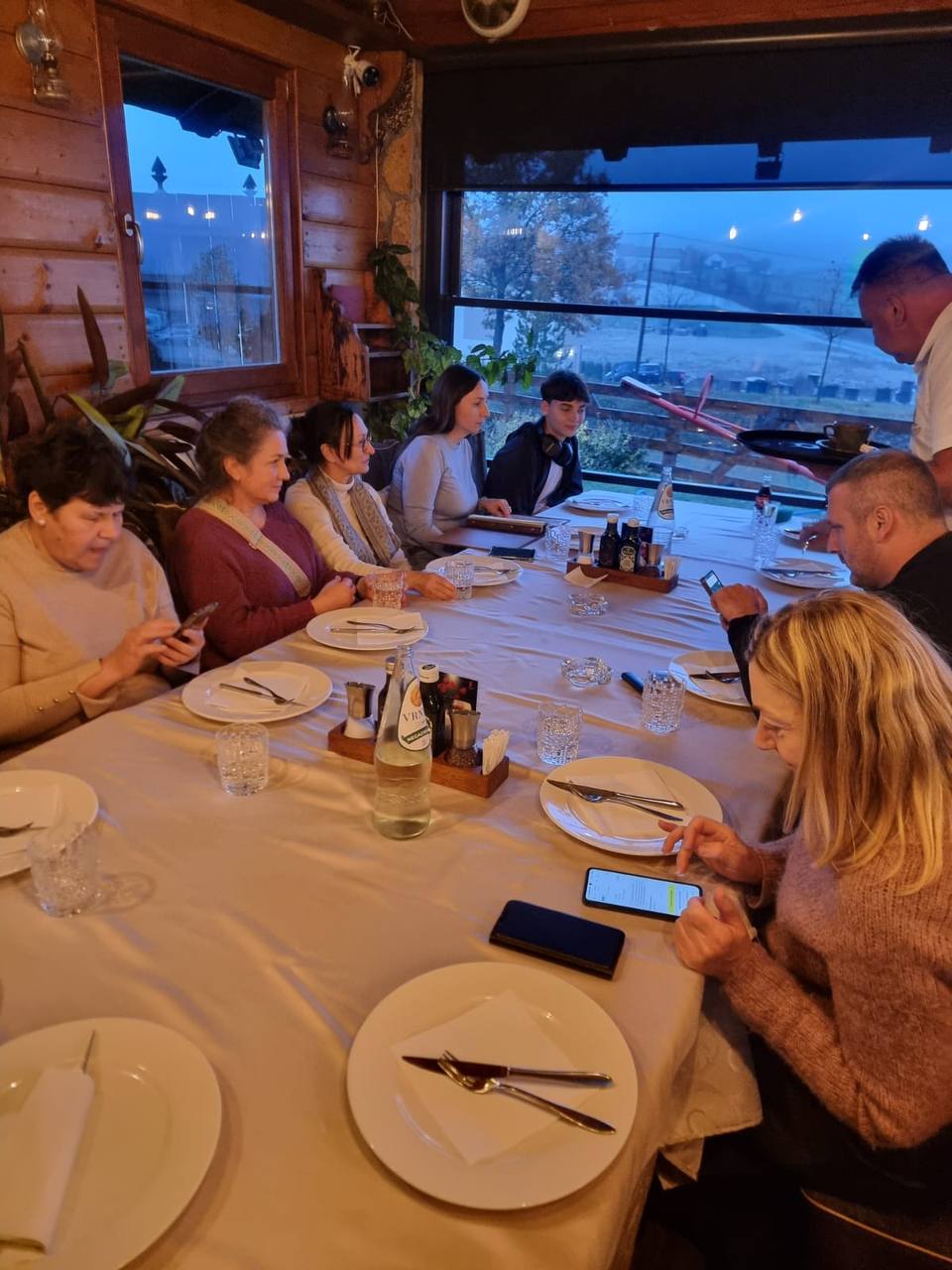
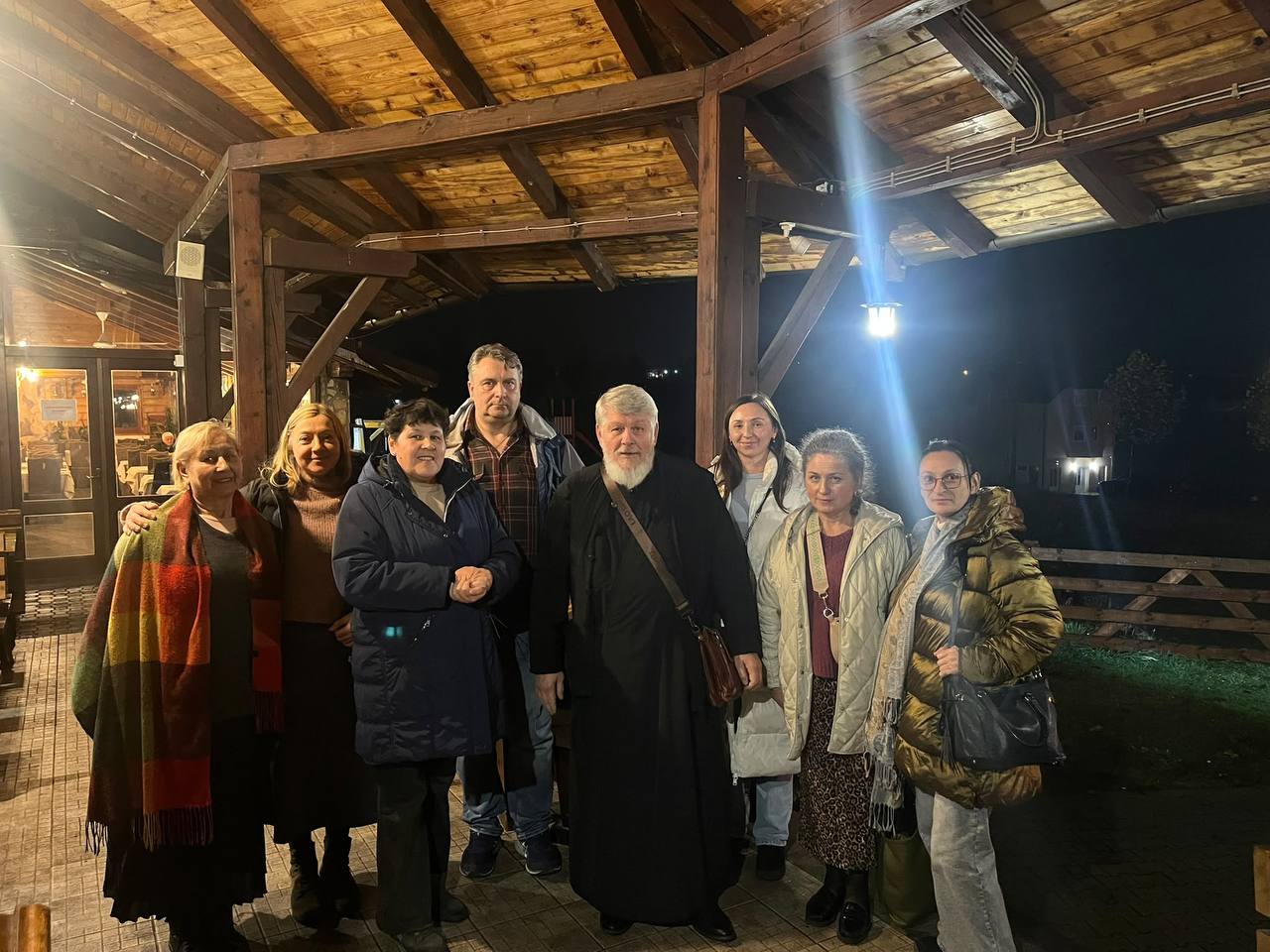
These days became a time of prayer, spiritual fellowship, and touch with the great holy sites of Orthodoxy. Along our path were ancient monasteries preserving the memory of holy ascetics, Serbian rulers, and centuries of Orthodox history.
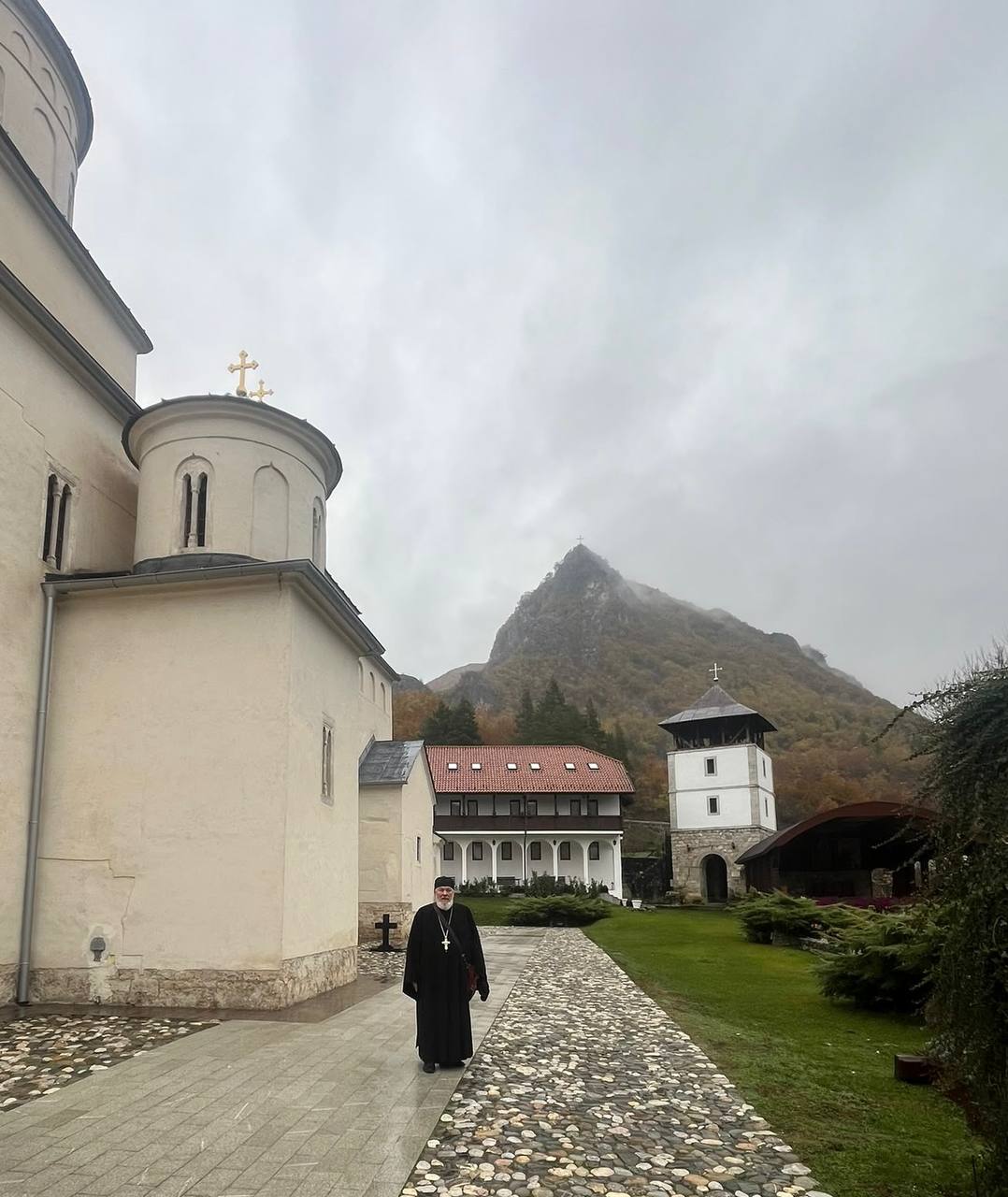
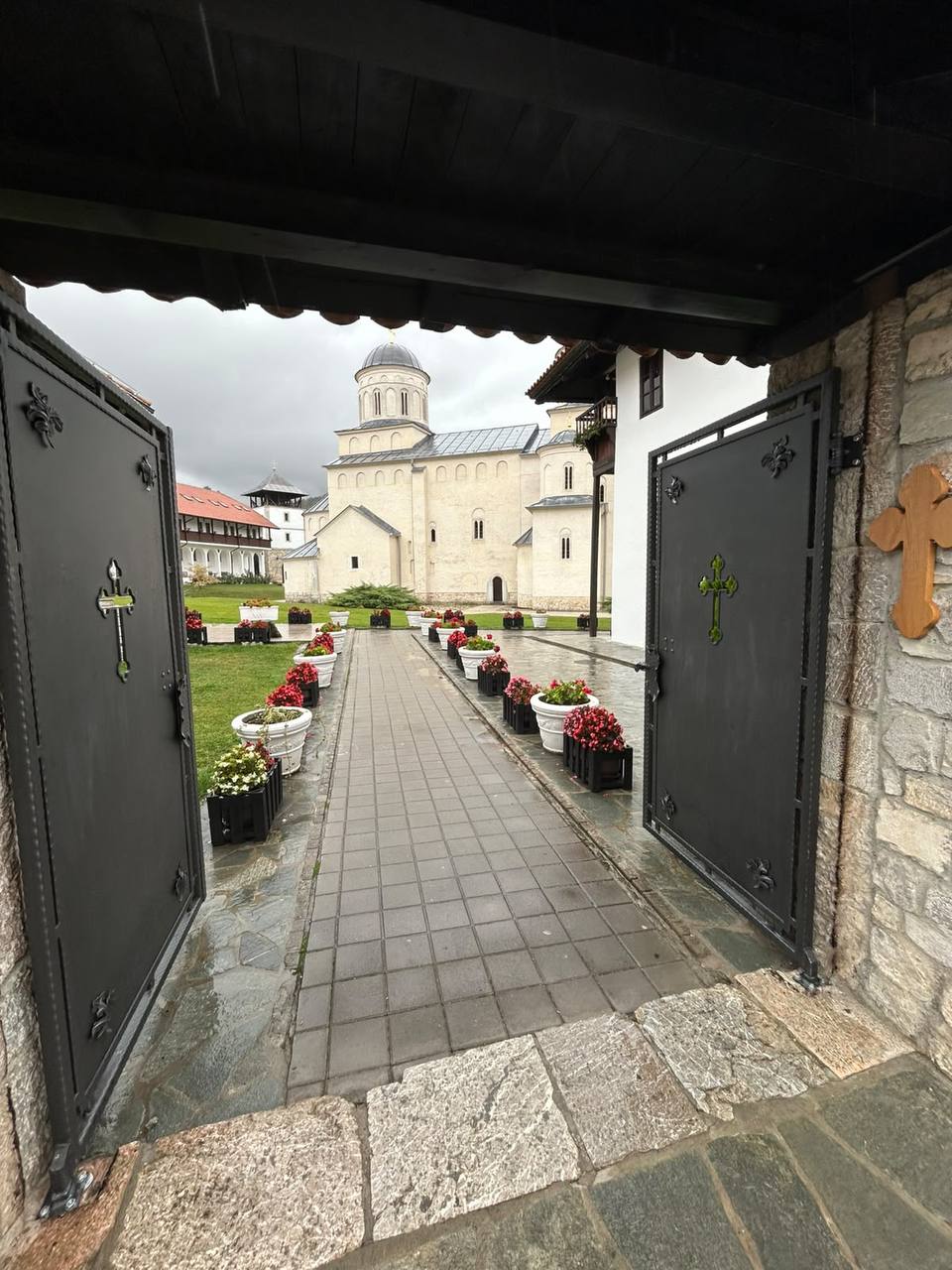
Mileševa — Meeting the History and Holy Relics of Serbia
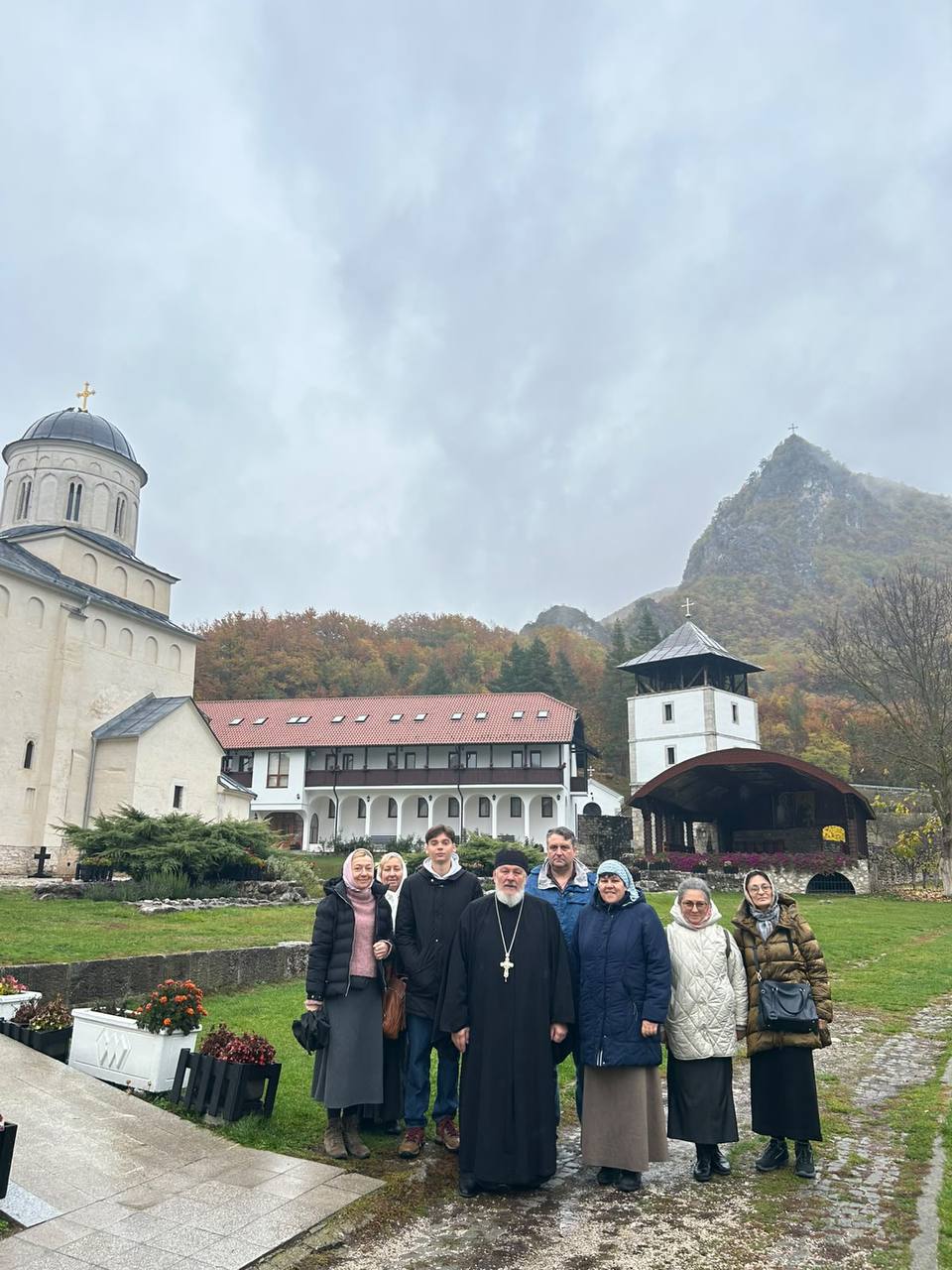
The first monastery on our journey was Mileševa, one of the most important holy shrines of the Serbian Orthodox Church.
Here we took part in the morning Divine Liturgy and partook of the Holy Mysteries of Christ. We were blessed to venerate the relics of Saint Sava of Serbia, King Vladislav, and Hieromartyr Abbot Nestor.
A special impression was made by the famous fresco "The White Angel", depicting the angel at the empty tomb of Christ announcing the Resurrection of the Savior to the Myrrh-bearing women. This remarkable image has become one of the most recognizable symbols of Serbian Orthodox art.
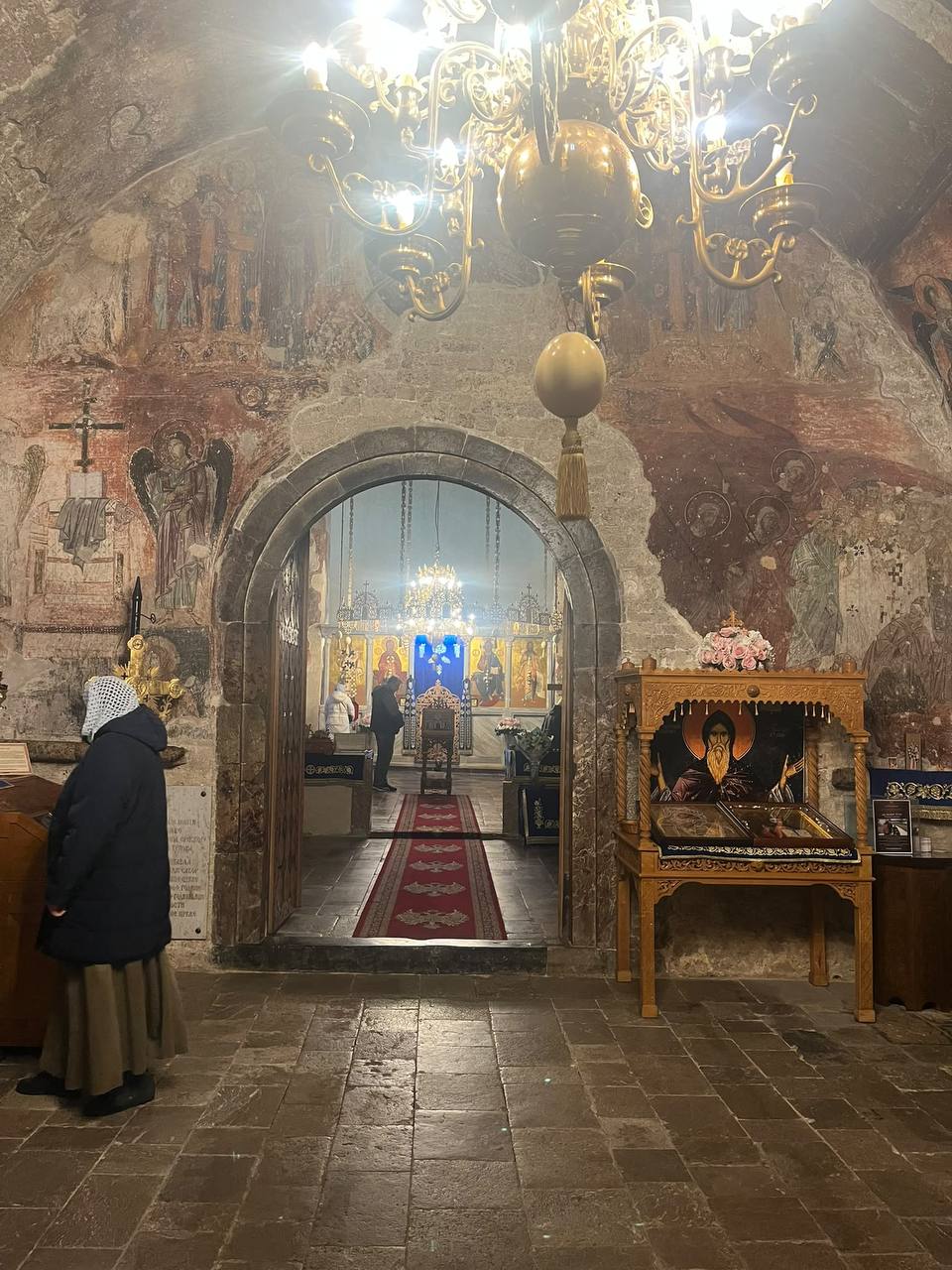
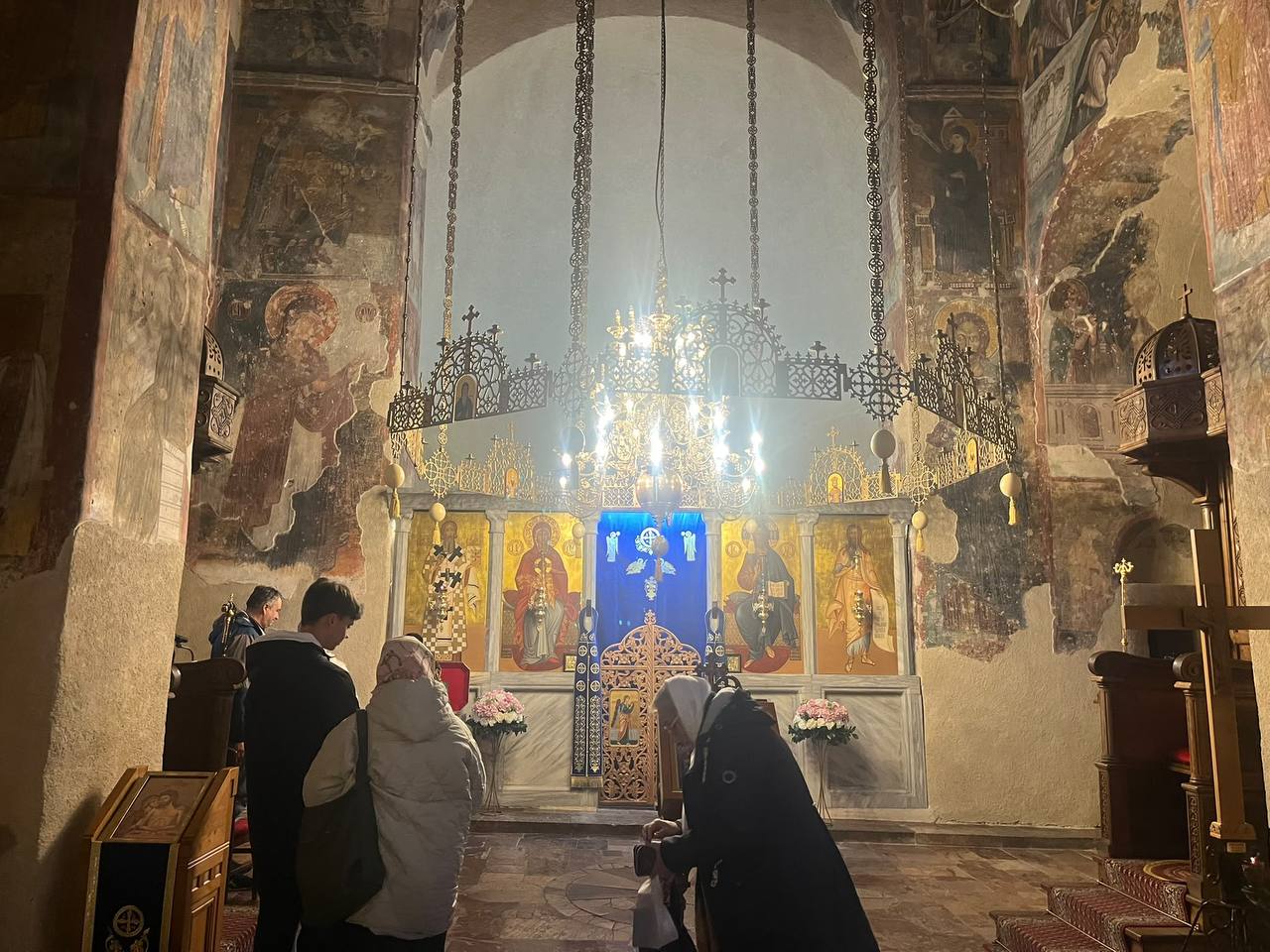
Ostrog — A Monastery in the Rock and the Grace of Saint Basil
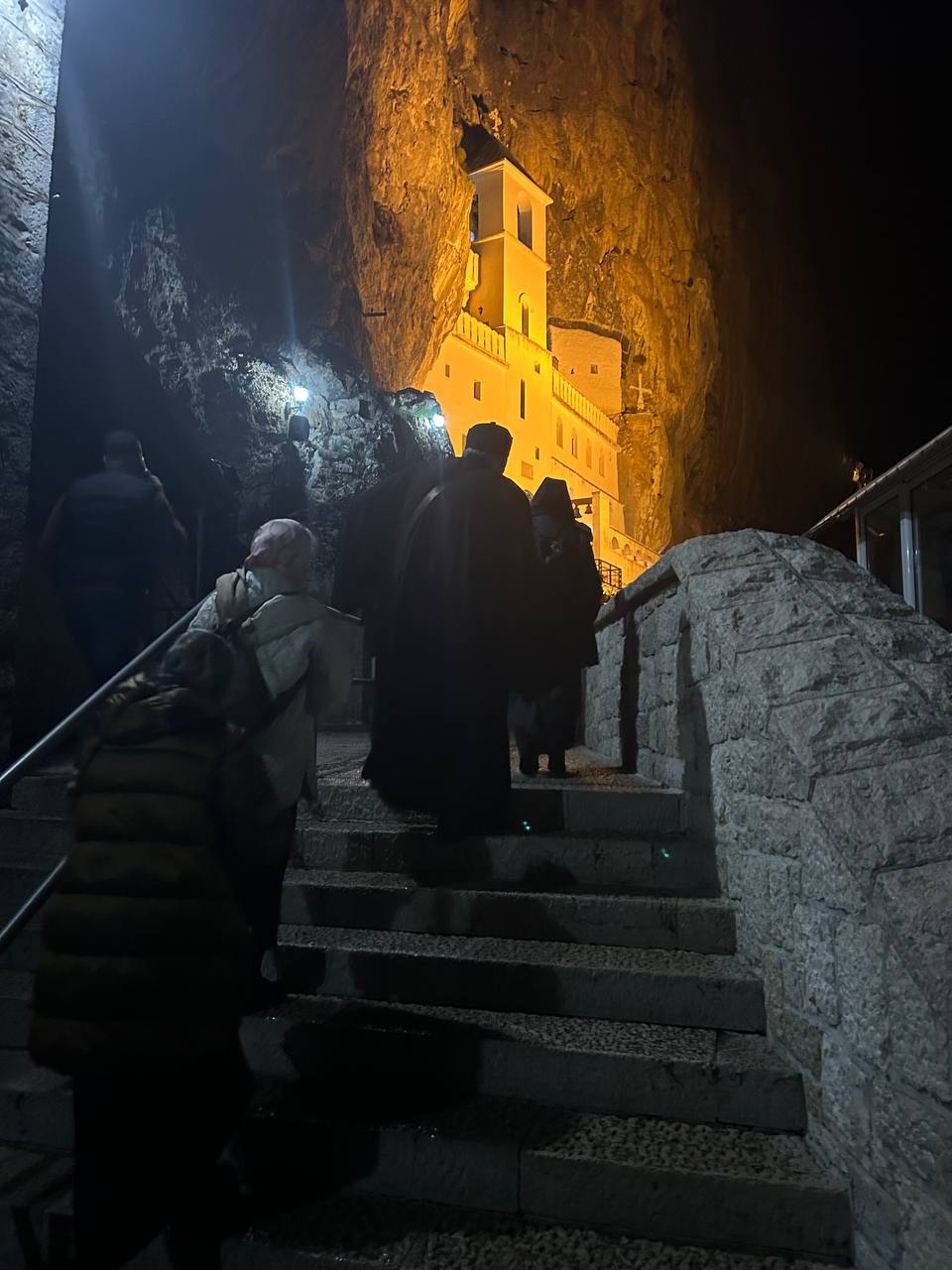
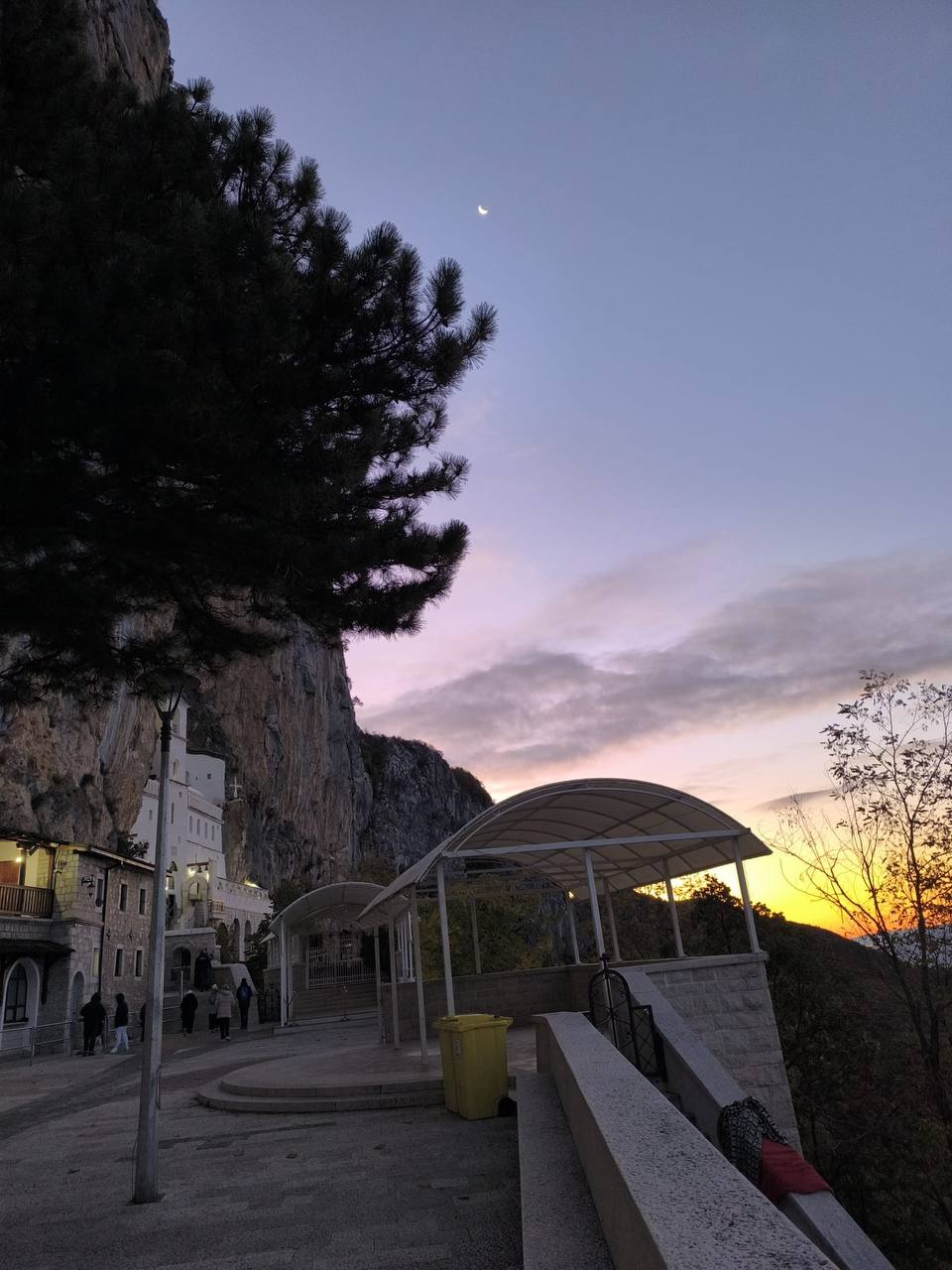
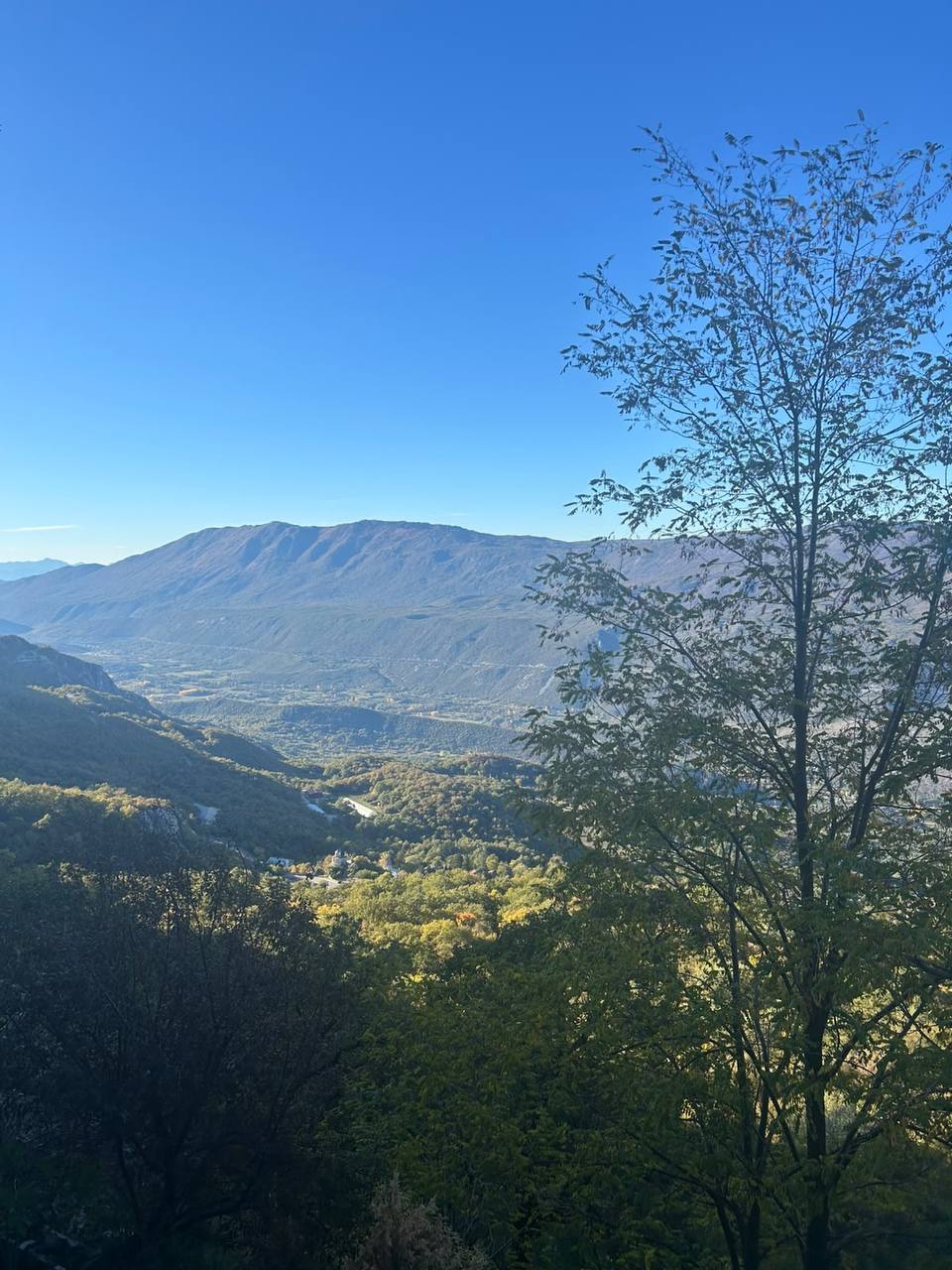
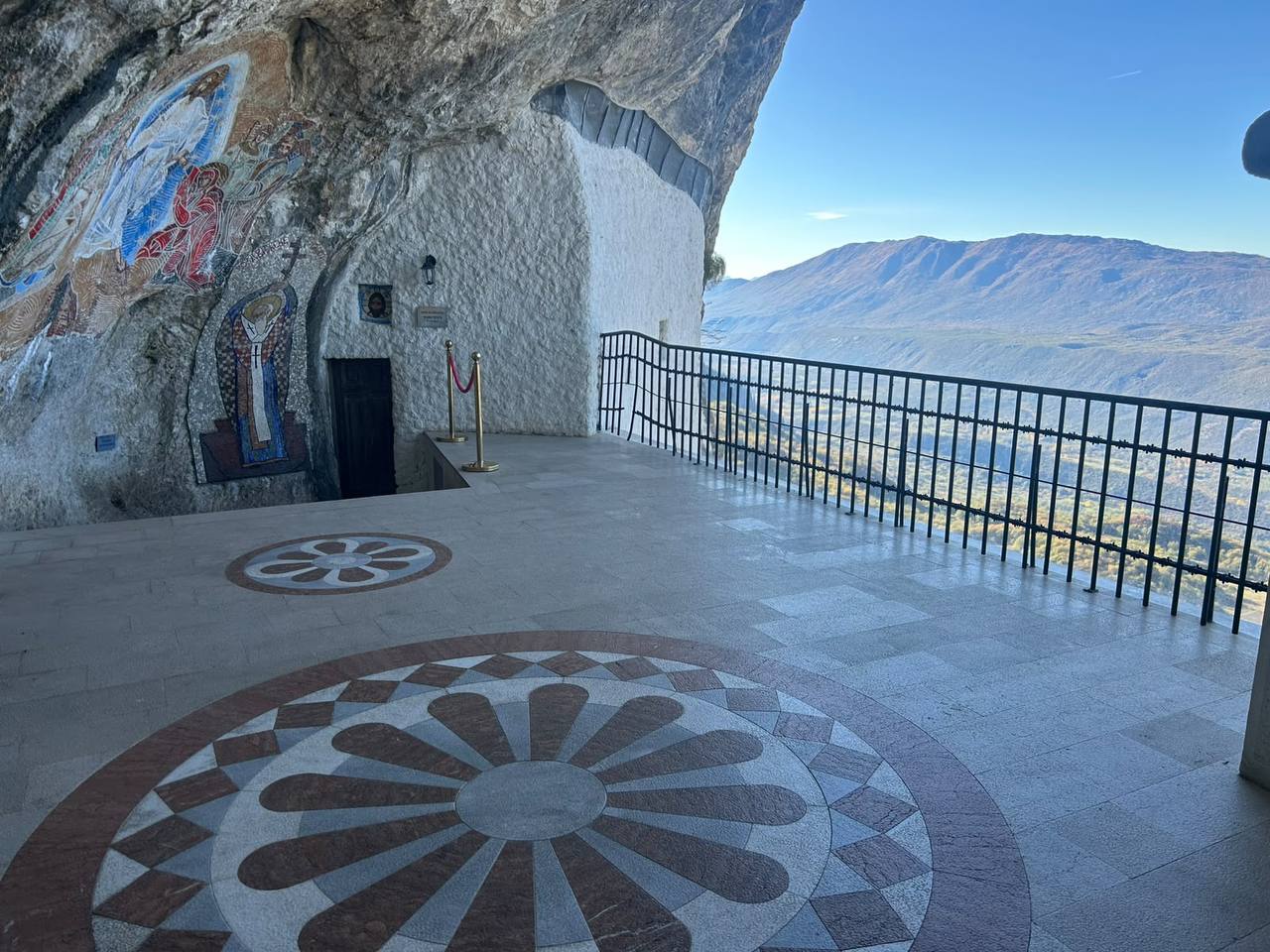
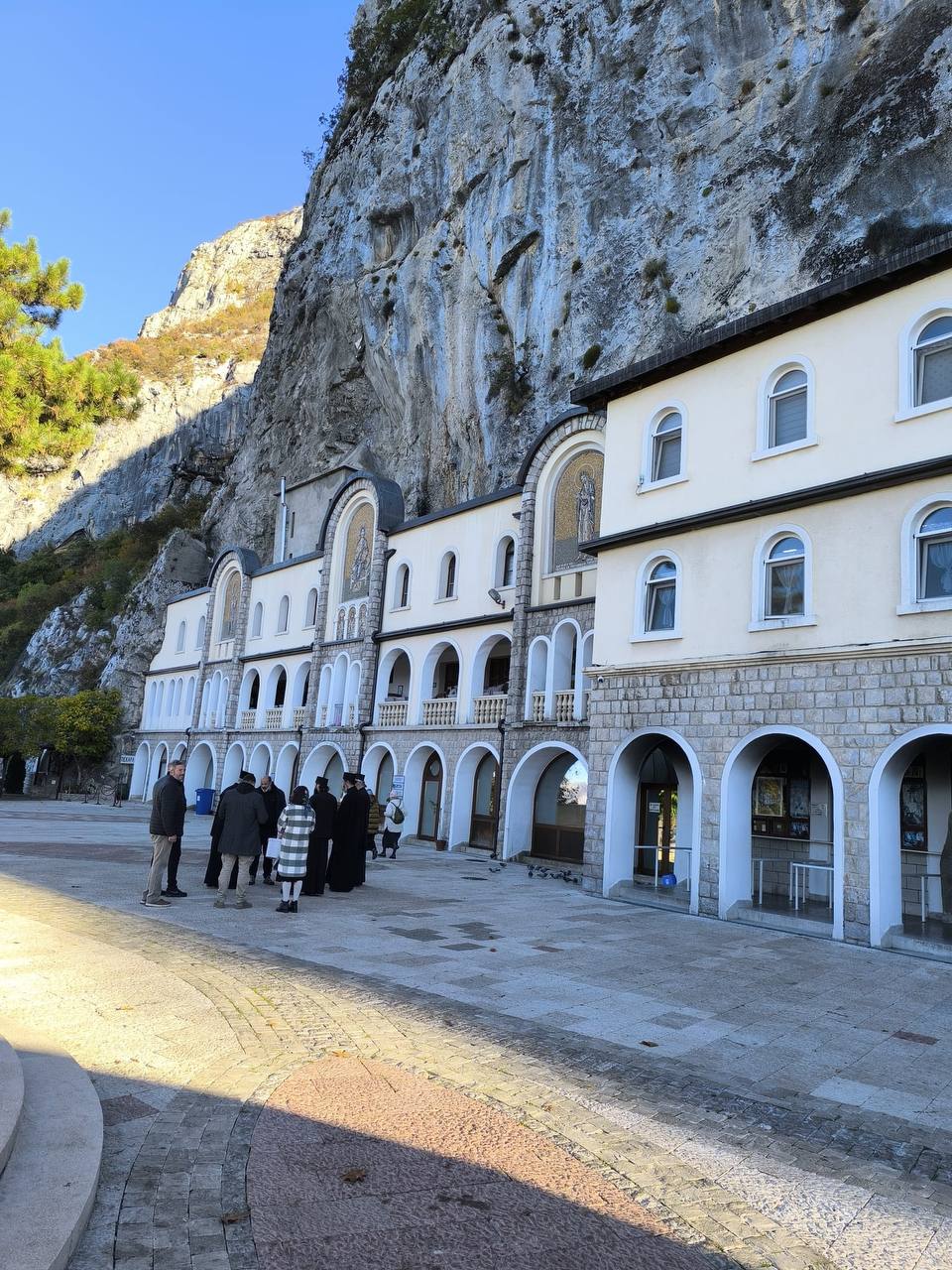
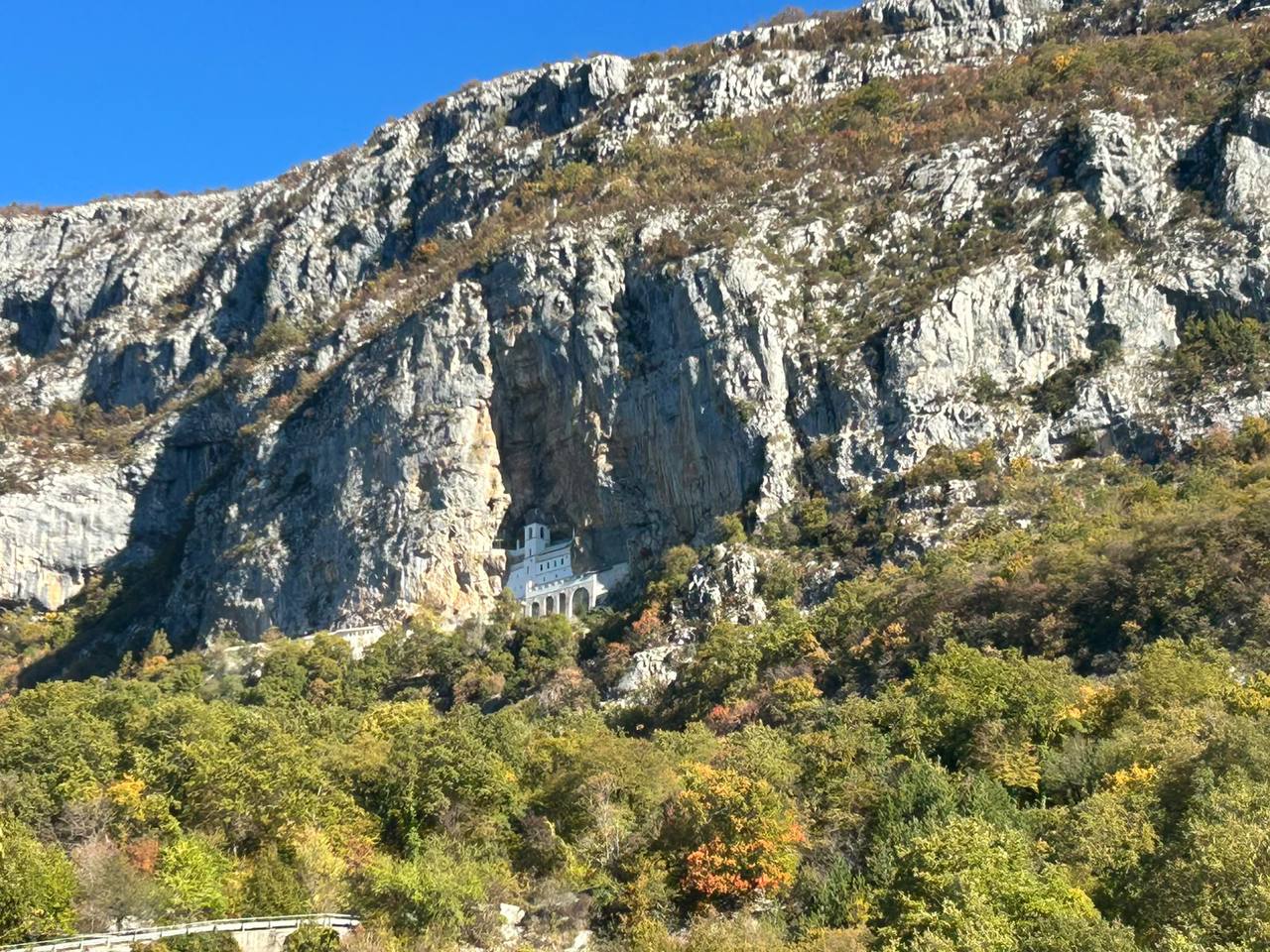
In the evening, we arrived at Ostrog Monastery, one of Montenegro's most revered Orthodox shrines, located high in the cliffs.
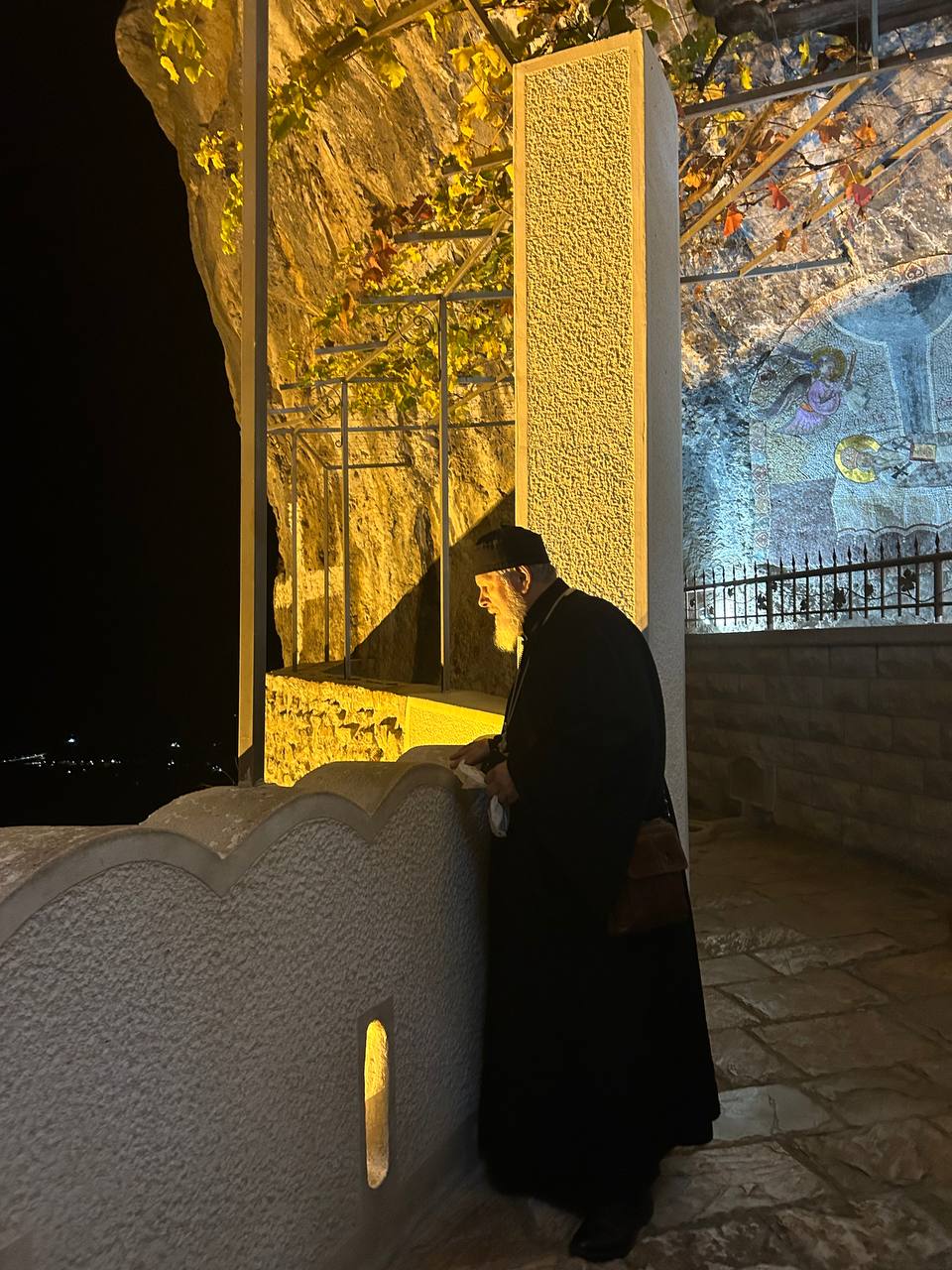
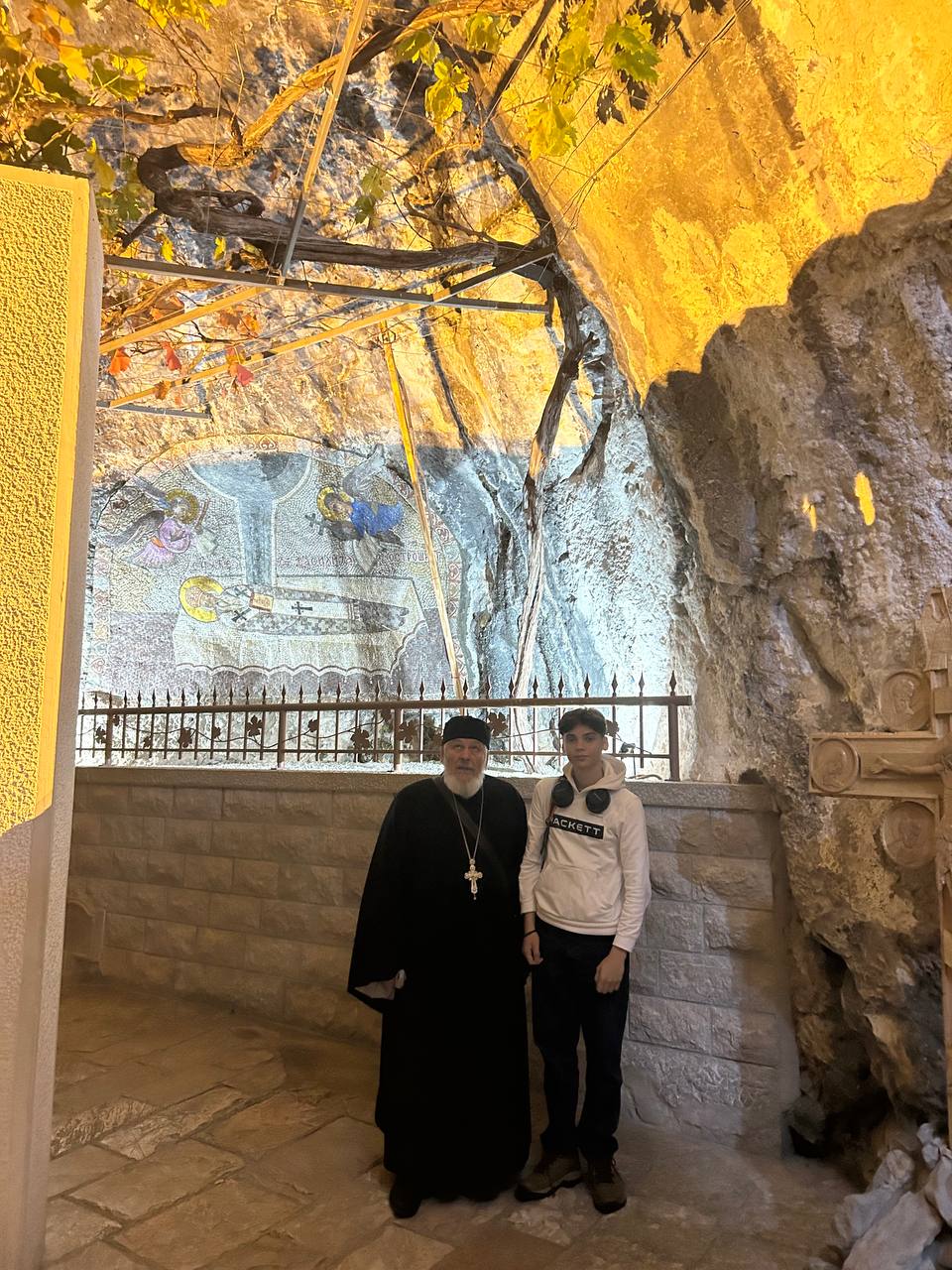
First, we visited the lower monastery, where we attended the evening service in the Church of the Presentation of the Holy Virgin. We then climbed to the upper monastery, situated approximately 900 meters above sea level. Here, in the cliffside monastery, Saint Basil of Ostrog lived, prayed, celebrated divine services, and fell asleep in the Lord.
We venerated his holy relics — a great shrine to which pilgrims from all over the world have come for centuries.
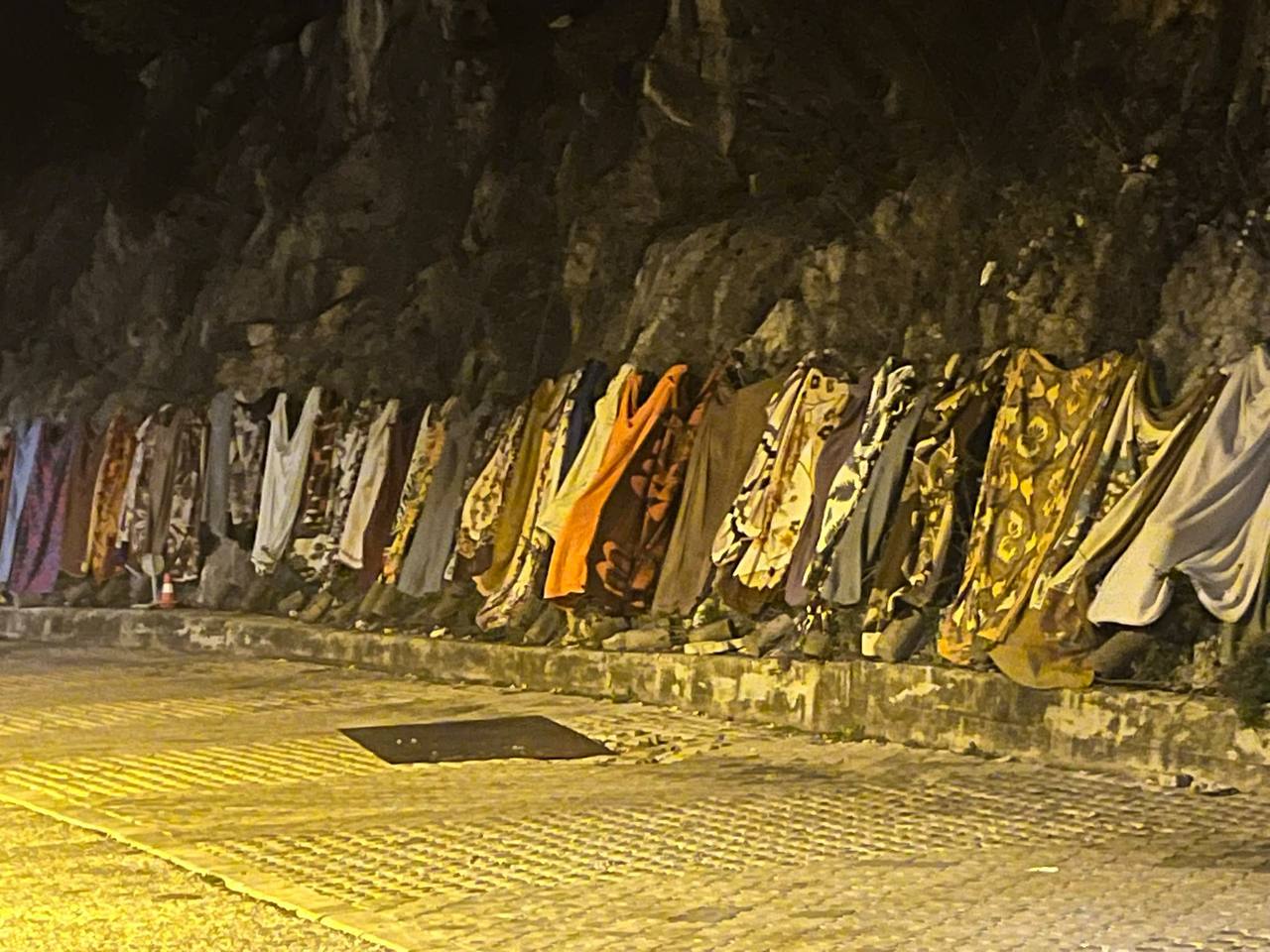
A special blessing for our group was the opportunity to spend the night in the guest rooms built right into the rock face, near the place where the relics of Saint Basil rest. It was a unique experience — to spend a peaceful night in the quiet of the monastery among the mountains, beside a sanctuary sought by thousands of faithful.
The following morning at six o'clock, the Divine Liturgy was celebrated at Ostrog. All pilgrims received Holy Communion. It was a joy that our priest concelebrated in this morning Liturgy.
Studenica — Spiritual Heritage of the Nemanjić Dynasty
The next destination of our pilgrimage was Studenica Monastery, one of the greatest monuments of Serbian Orthodox culture and spirituality, founded by Grand Župan Stefan Nemanja.
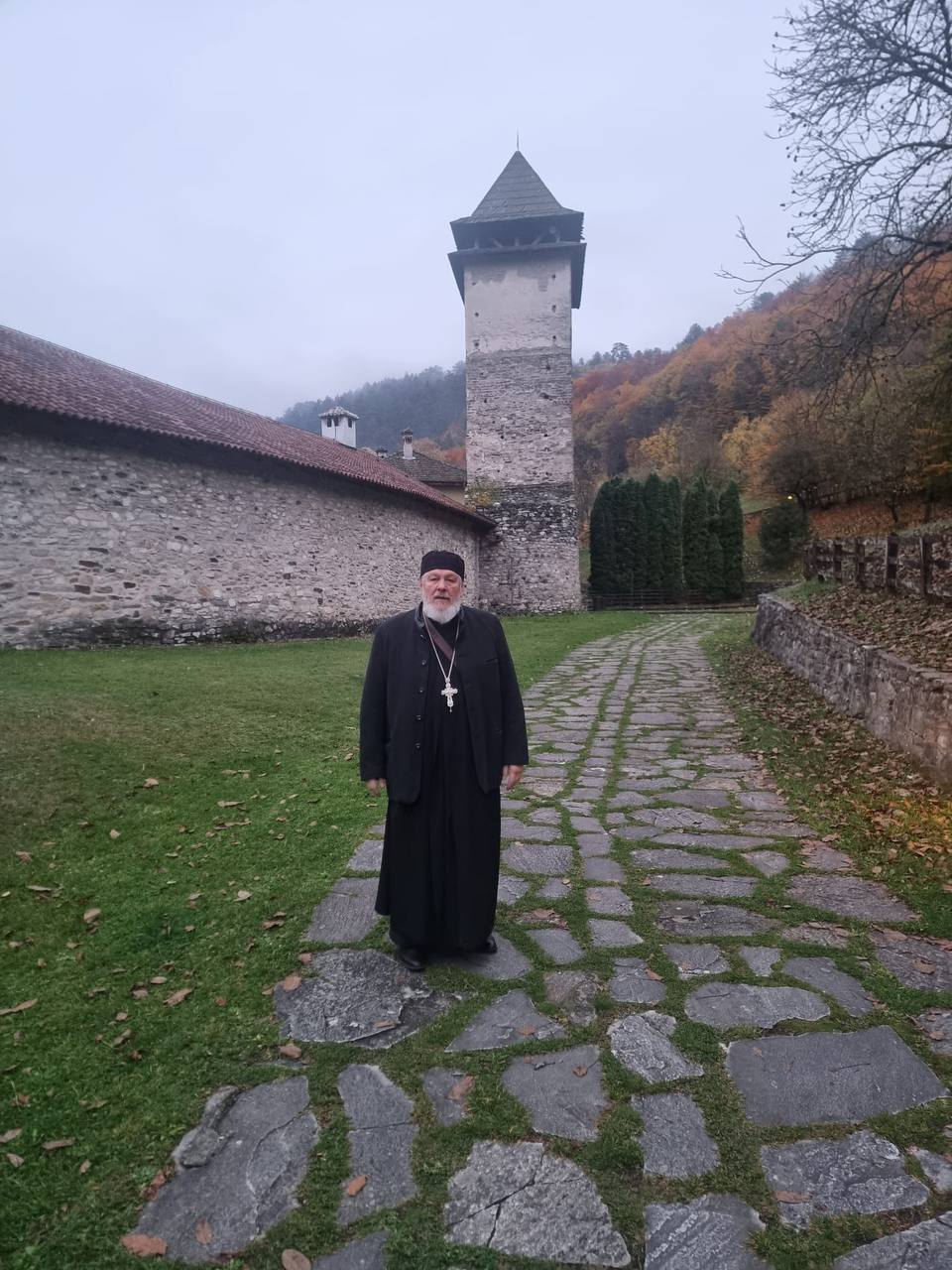
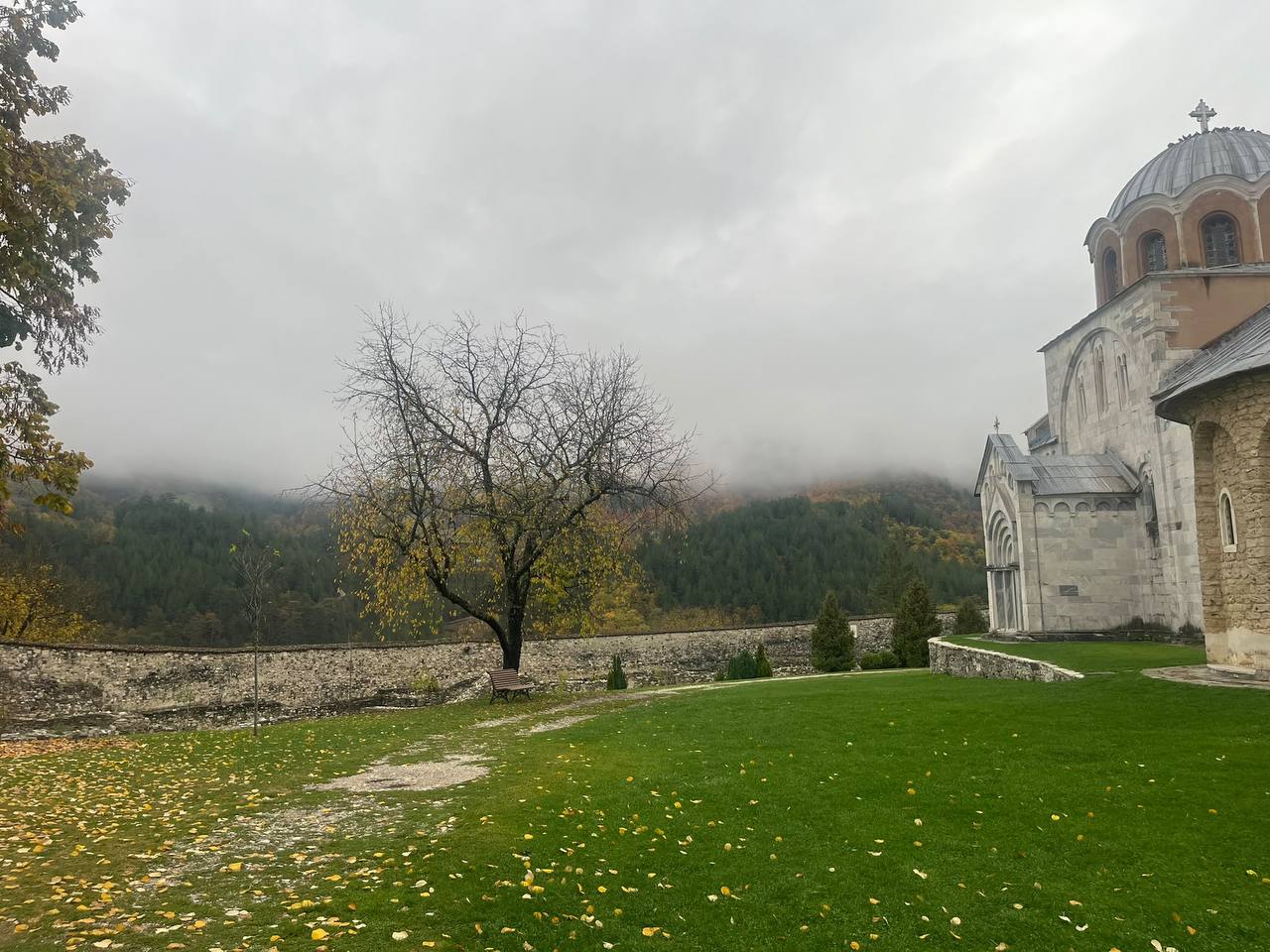
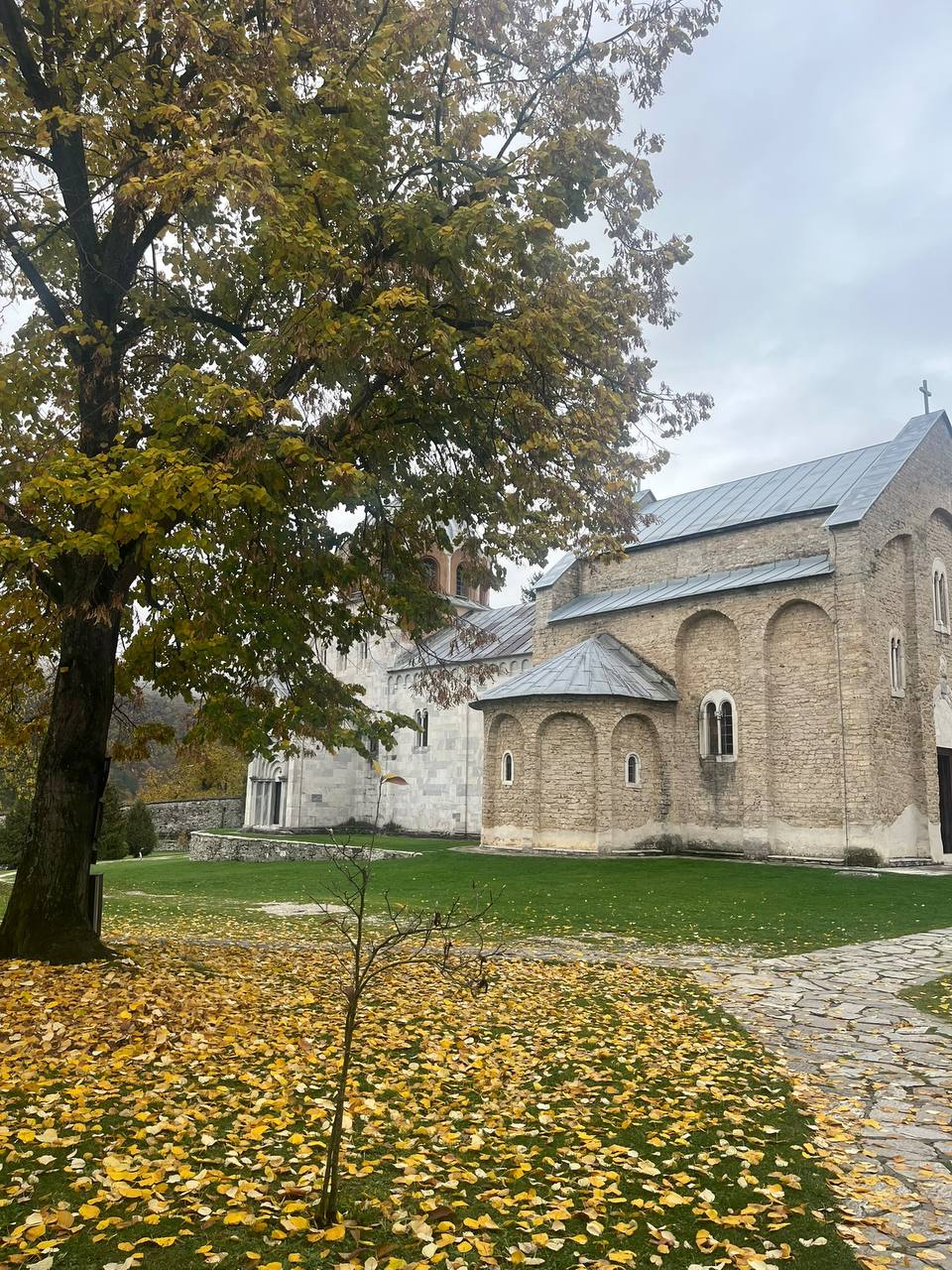
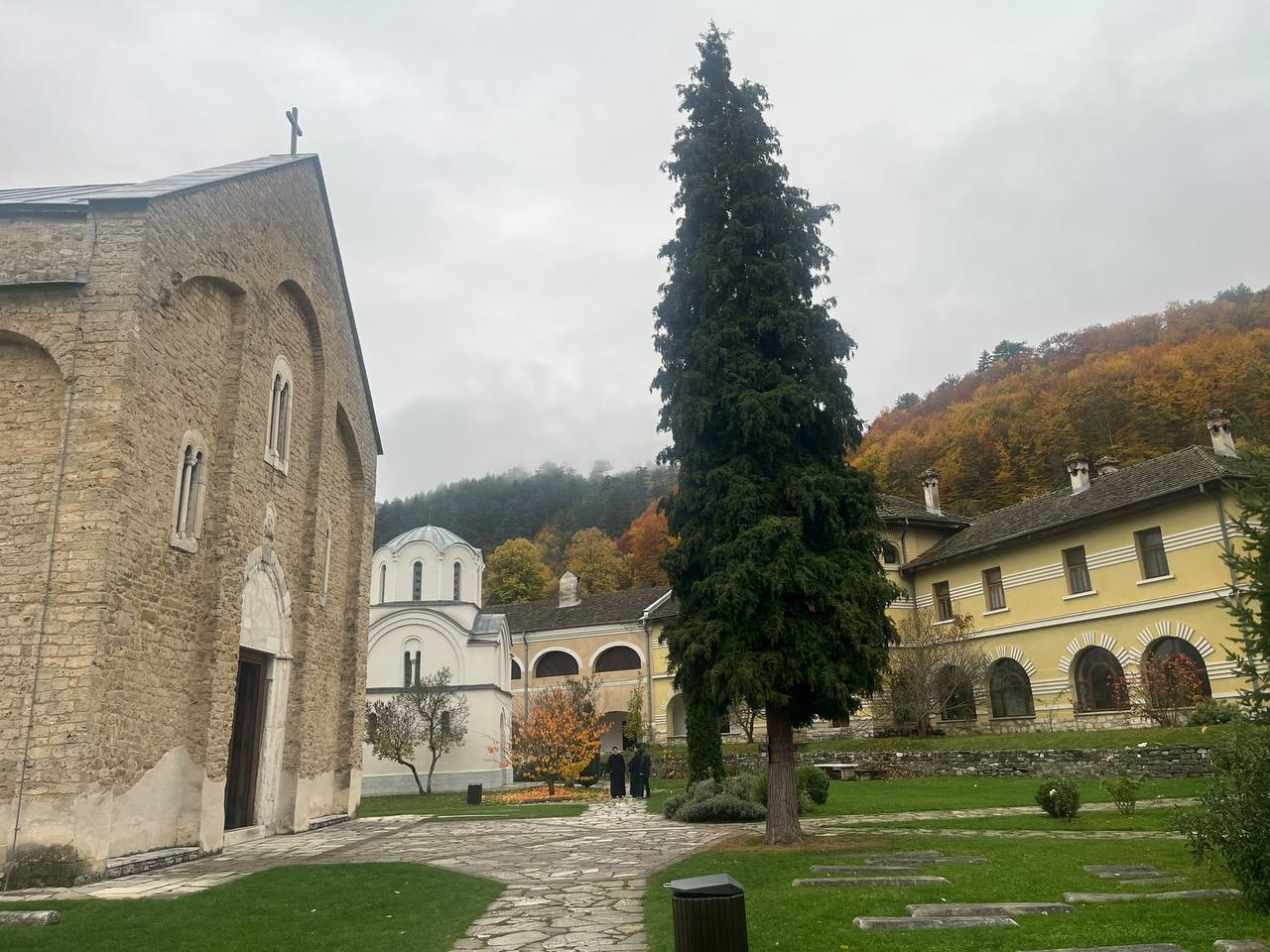
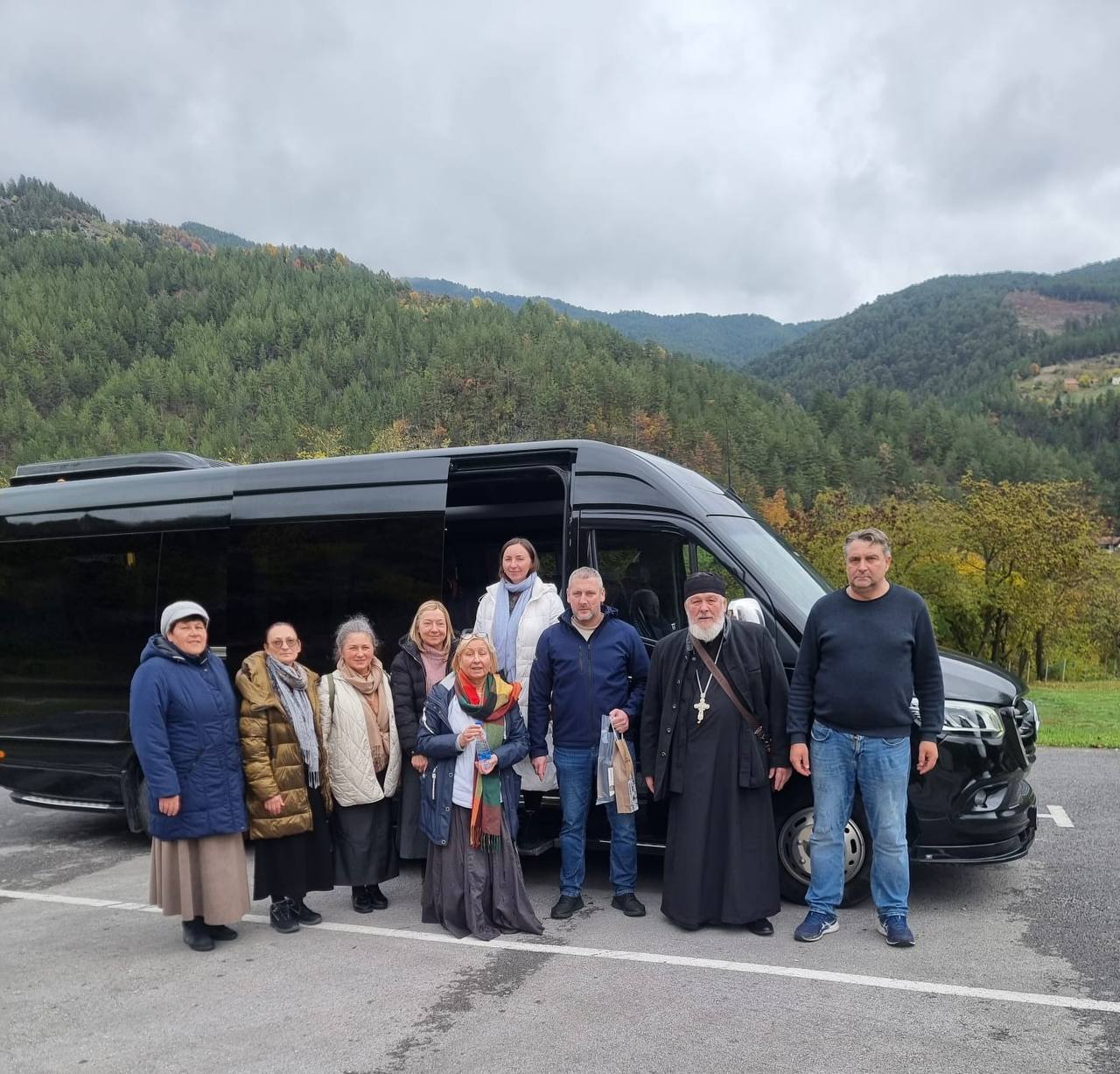
At 6:30 AM, we attended the Divine Liturgy, during which all pilgrims received the Holy Mysteries of Christ.
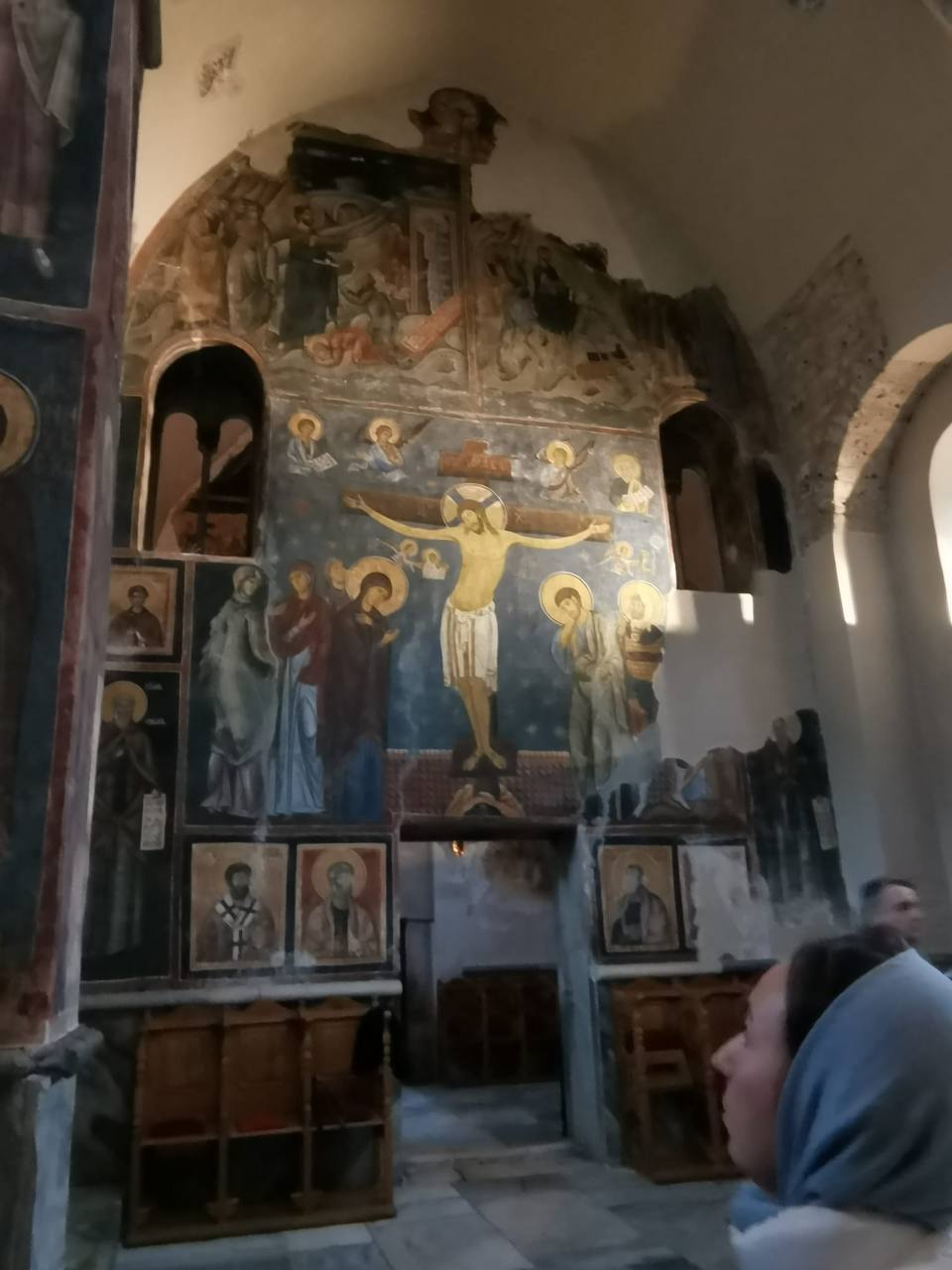
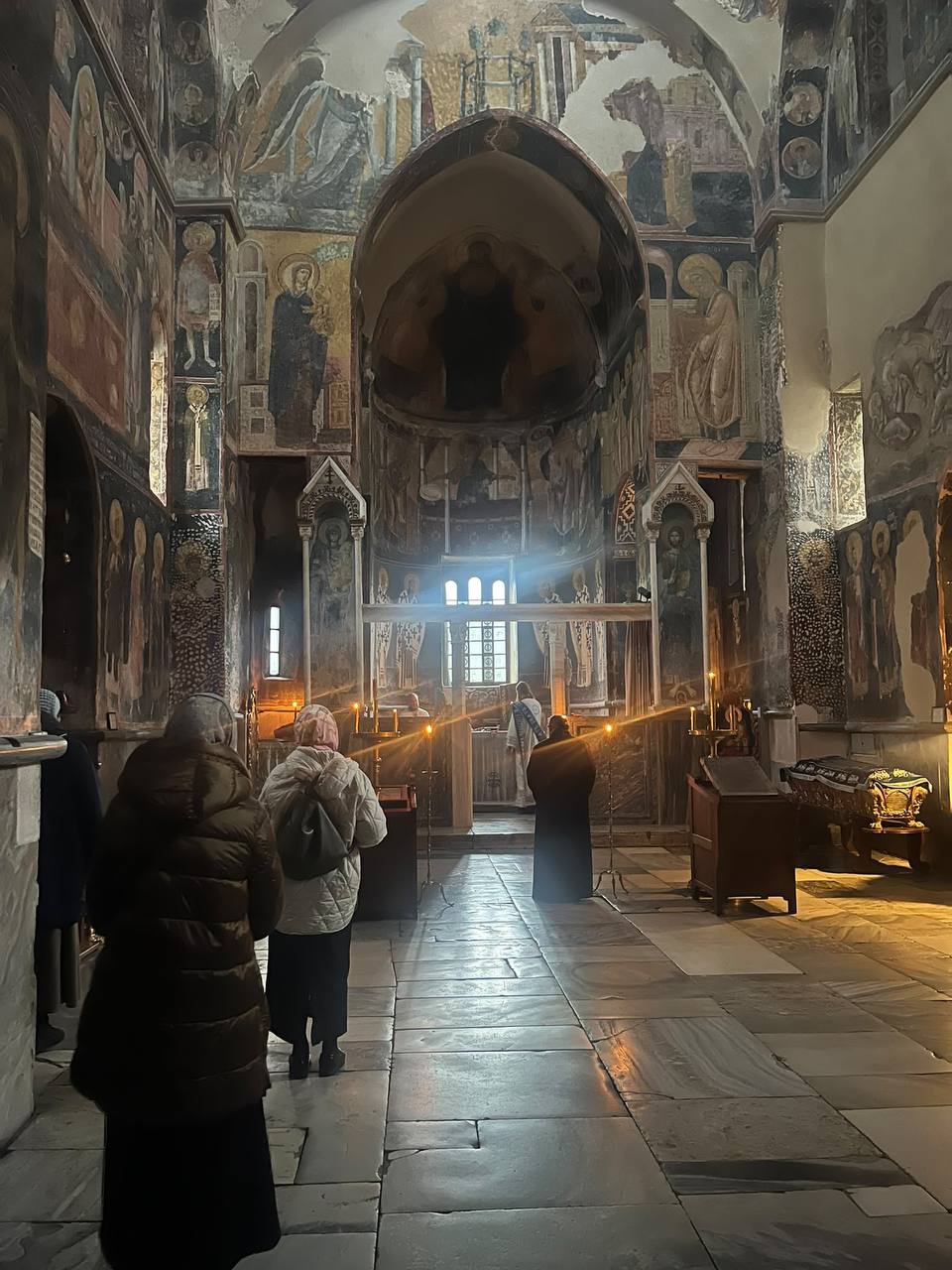
Especially for our parish group, the reliquaries containing holy relics were opened. We venerated Saint Simeon the Myrrh-streamer (Stefan Nemanja, founder of the state), his wife Venerable Anastasia of Serbia, and their youngest son, Venerable Simon the Monk (Saint King Stefan the First-Crowned).
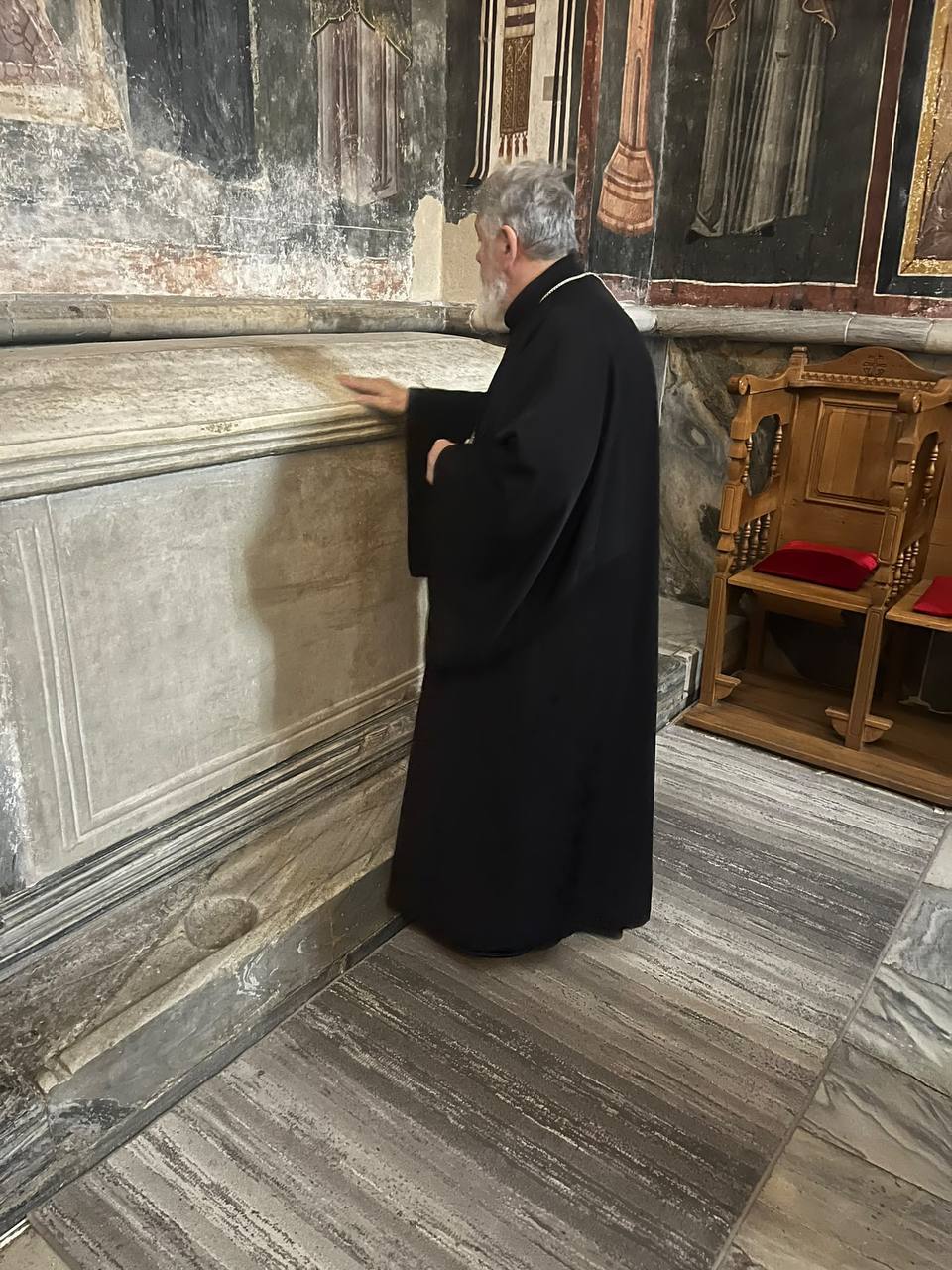
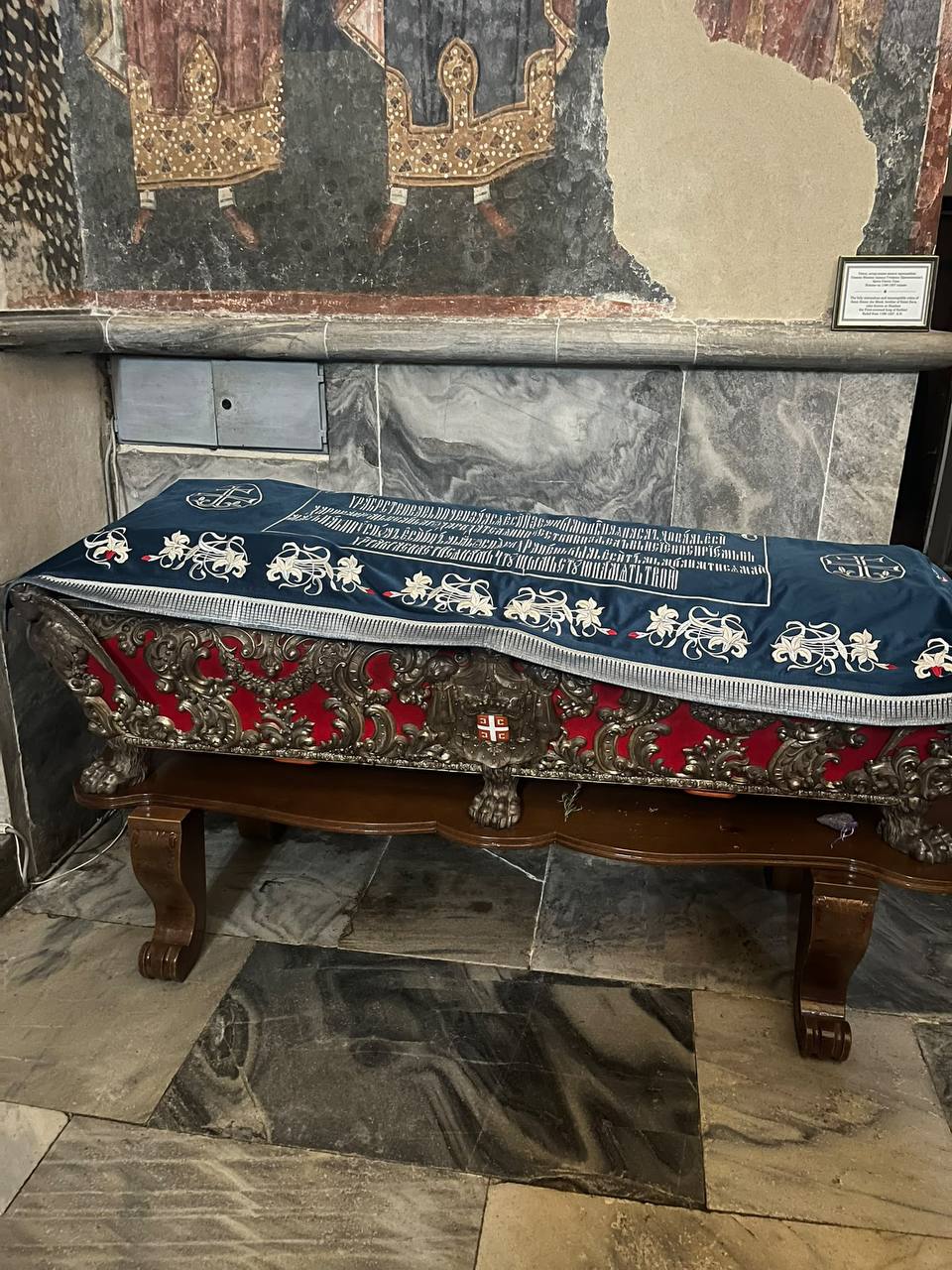
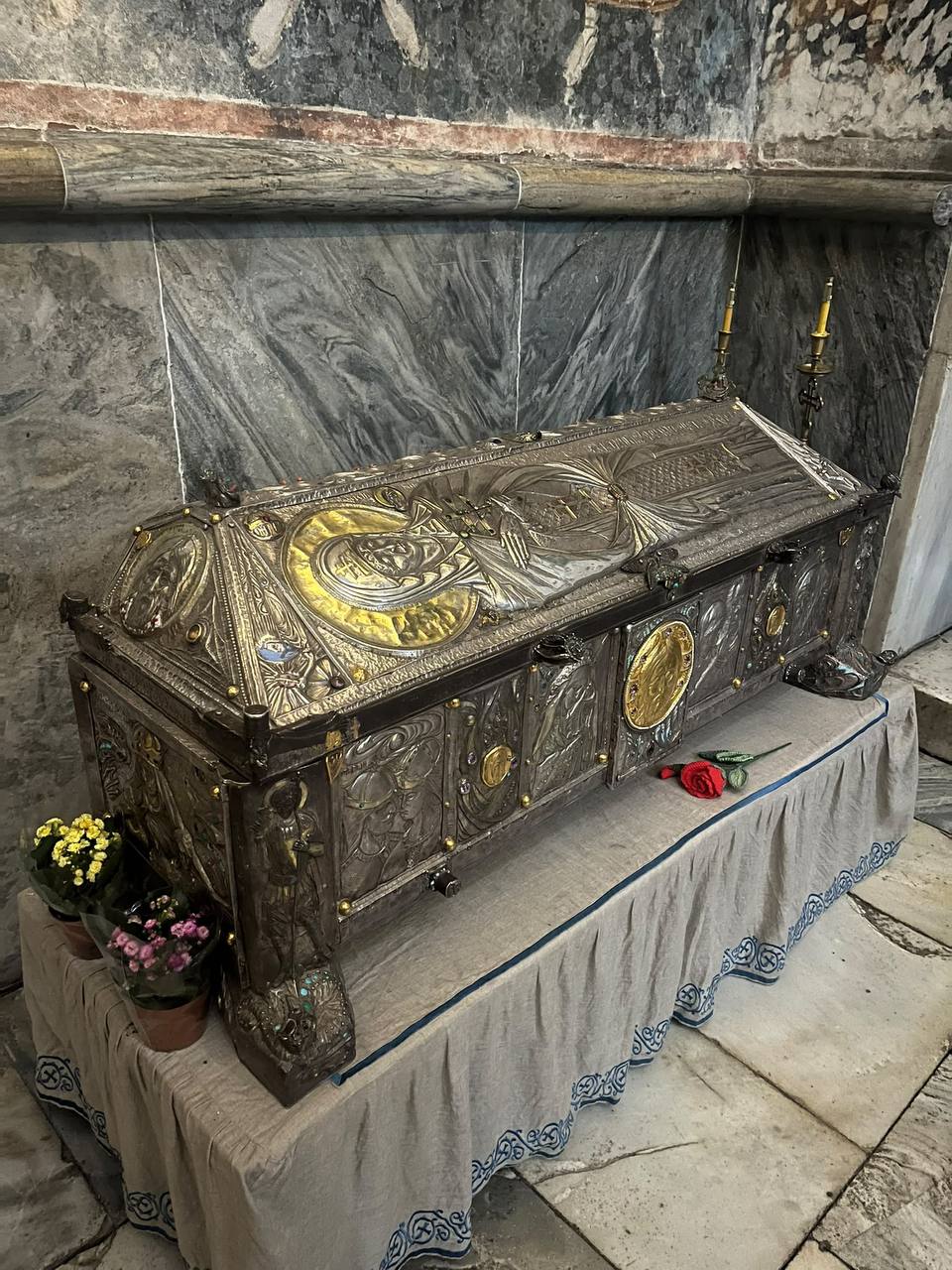
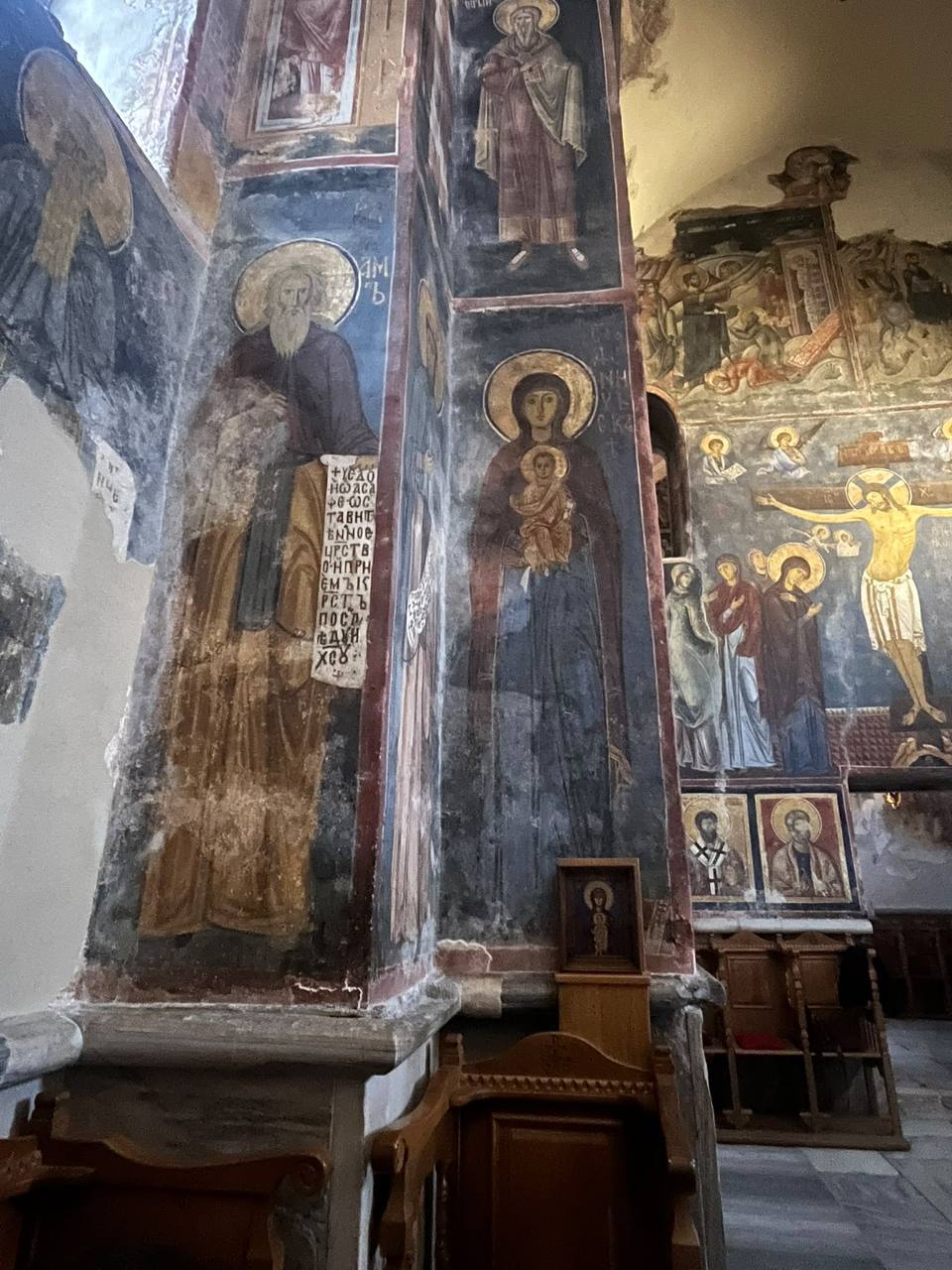
In the monastery cathedral, we saw the famous fresco of the Mother of God with the Infant Christ, which served as the prototype for the revered icon of the Mother of God of Studenica.
Žiča — Abode of Serbian Kings and Hierarchs
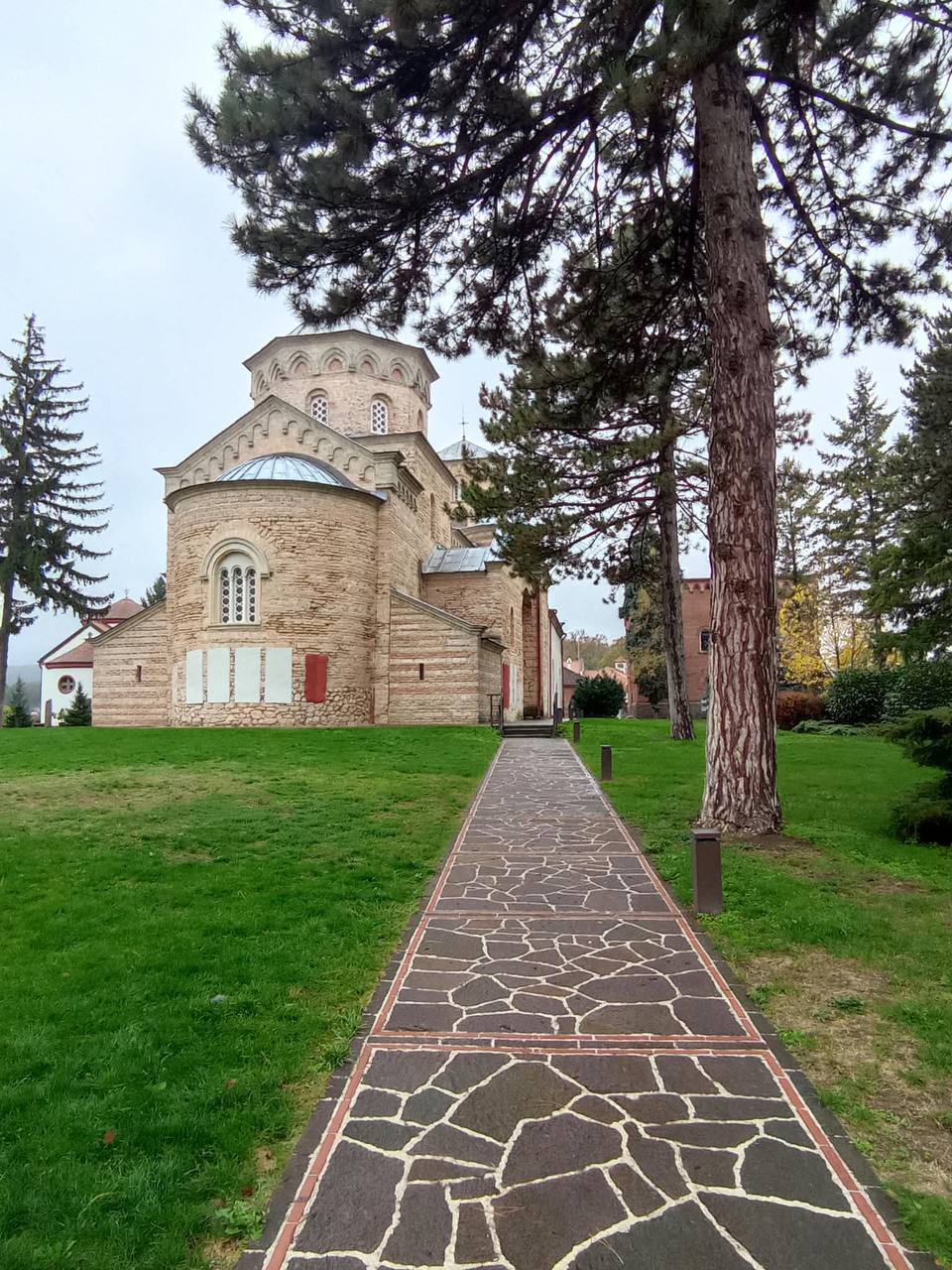
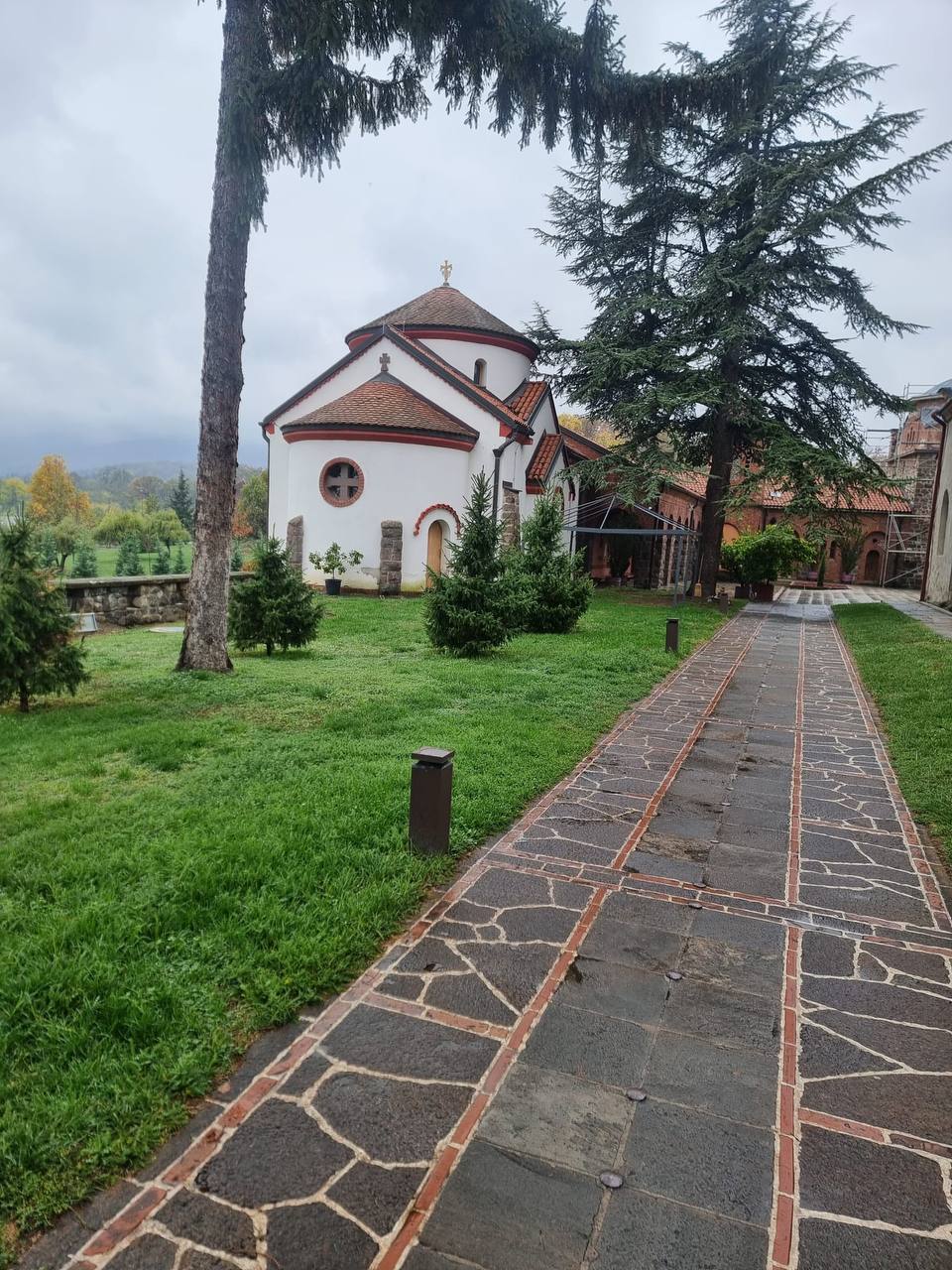
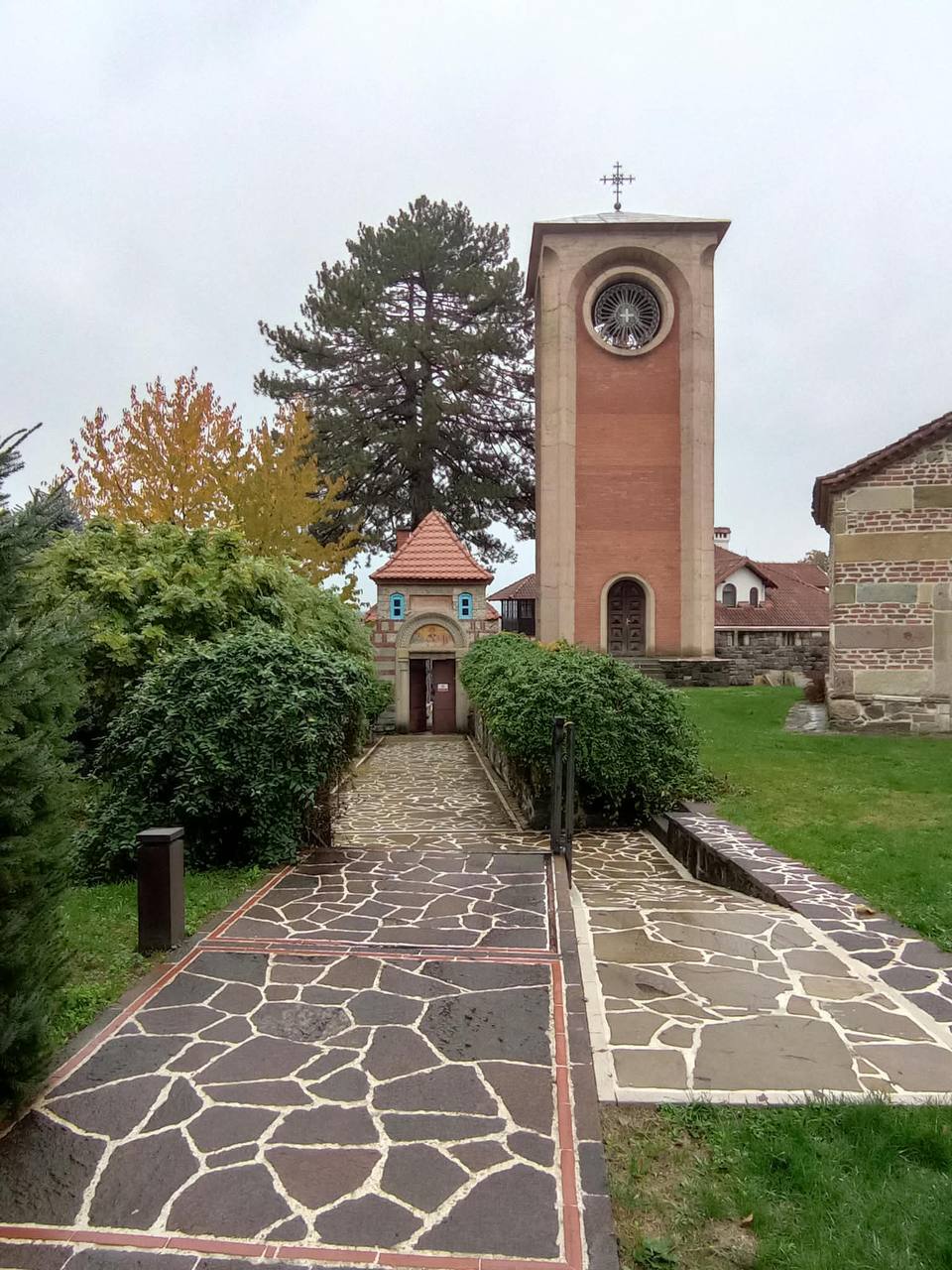
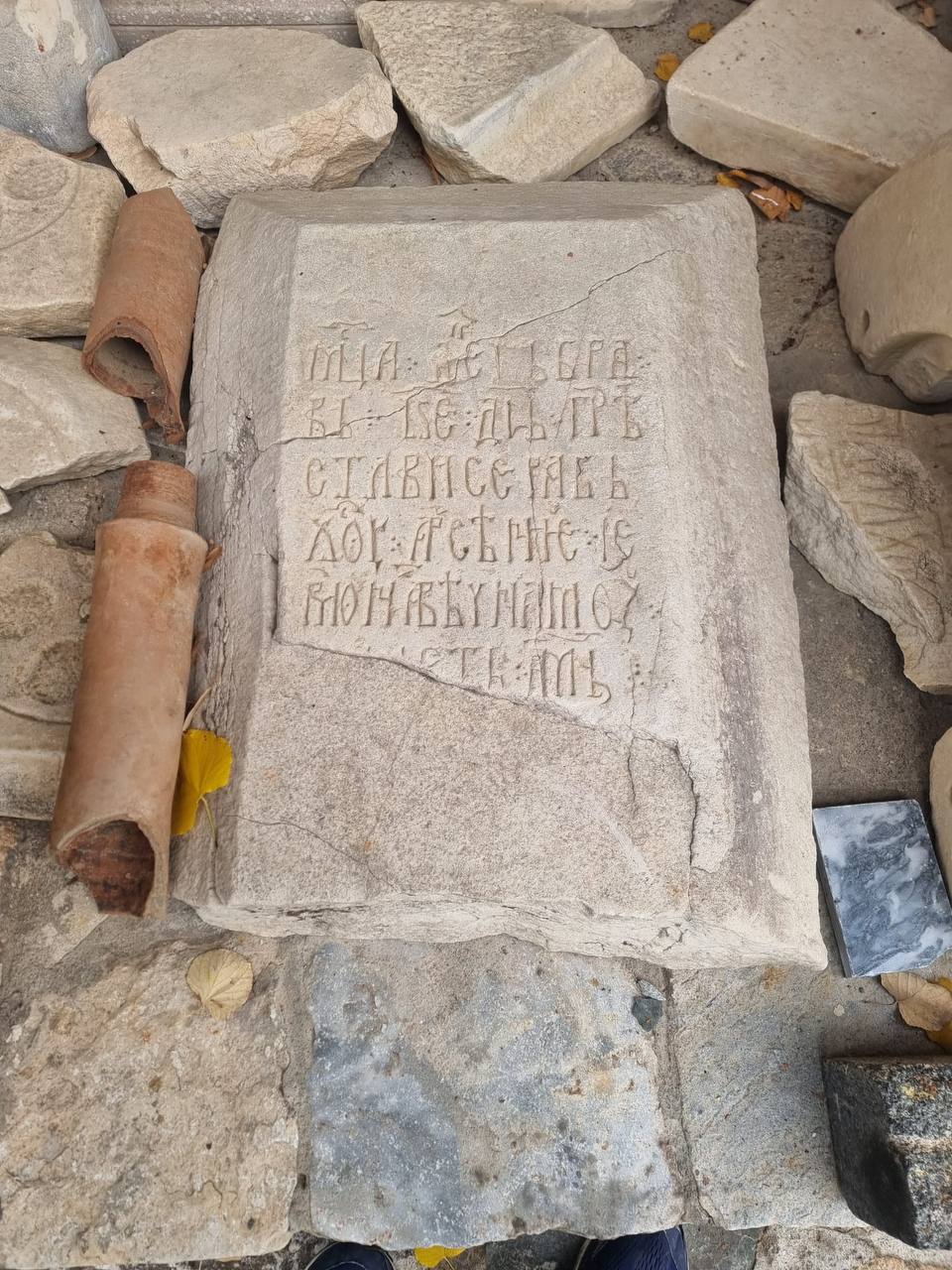
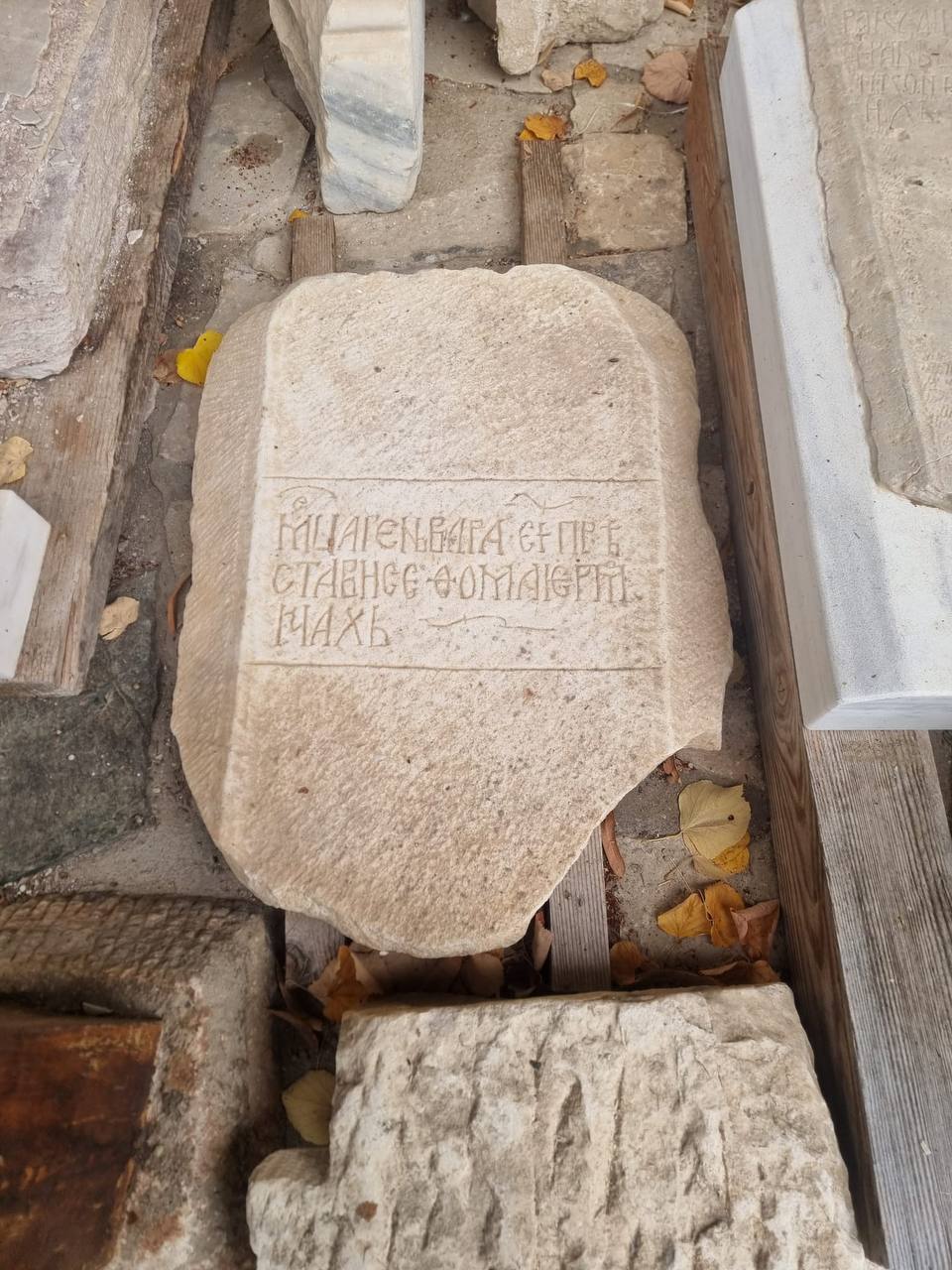
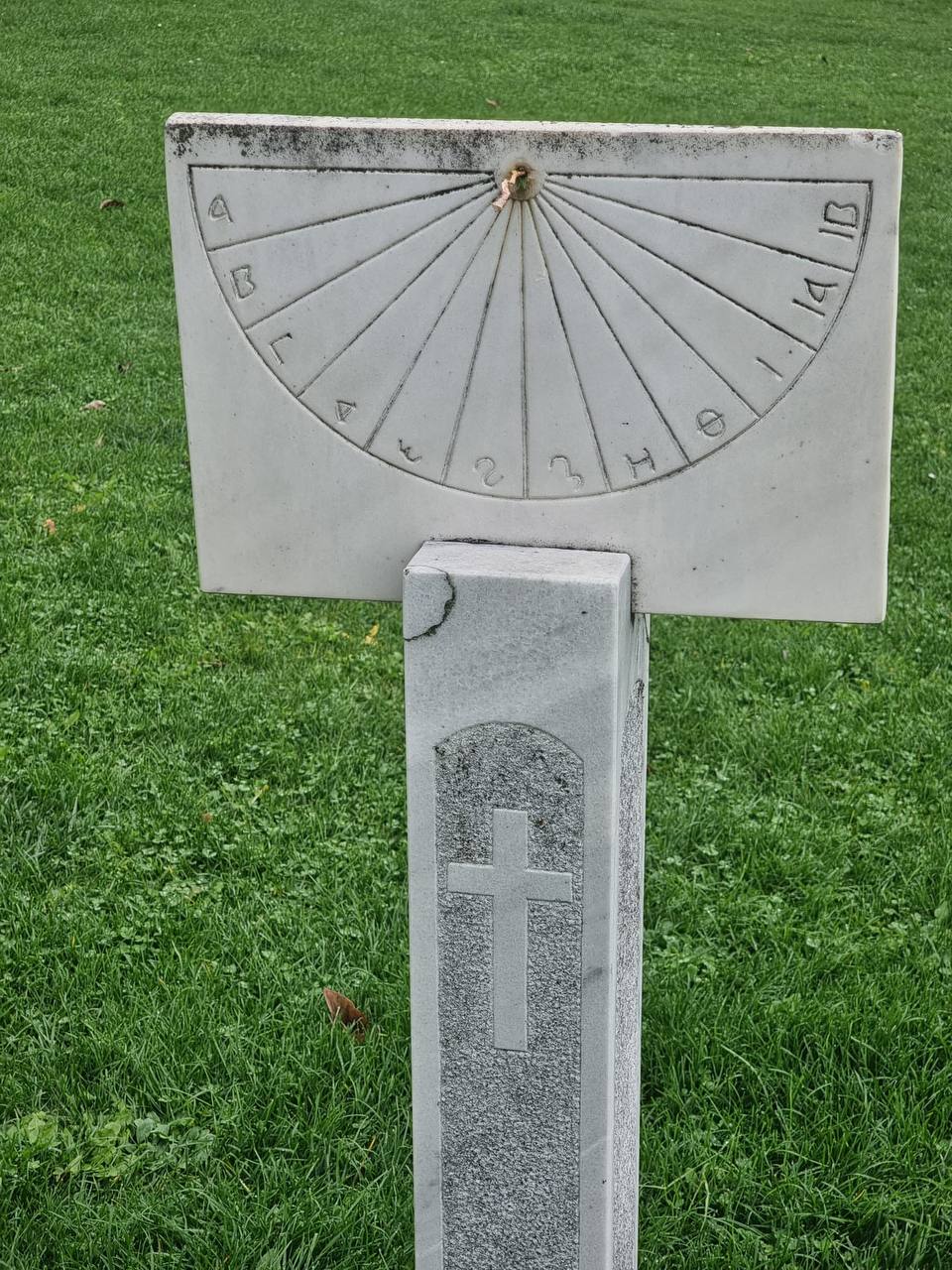
Next, we visited Žiča Monastery, a place of immense historical and spiritual significance for Serbia.
It was here in the 13th century that Saint Sava of Serbia was consecrated as the first Archbishop of Serbia, and the first Serbian King, Stefan the First-Crowned, was crowned. Subsequently, Žiča became the coronation site for other Serbian rulers as well.
Here we venerated the relics of Saint Nikolai of Žiča (Velimirović), Saint Eustathius, Archbishop of Serbia, and other saints of God. The sisters of the monastery presented an inspiring video about the history and restoration of this holy site.
Belgrade — Church of Saint Sava
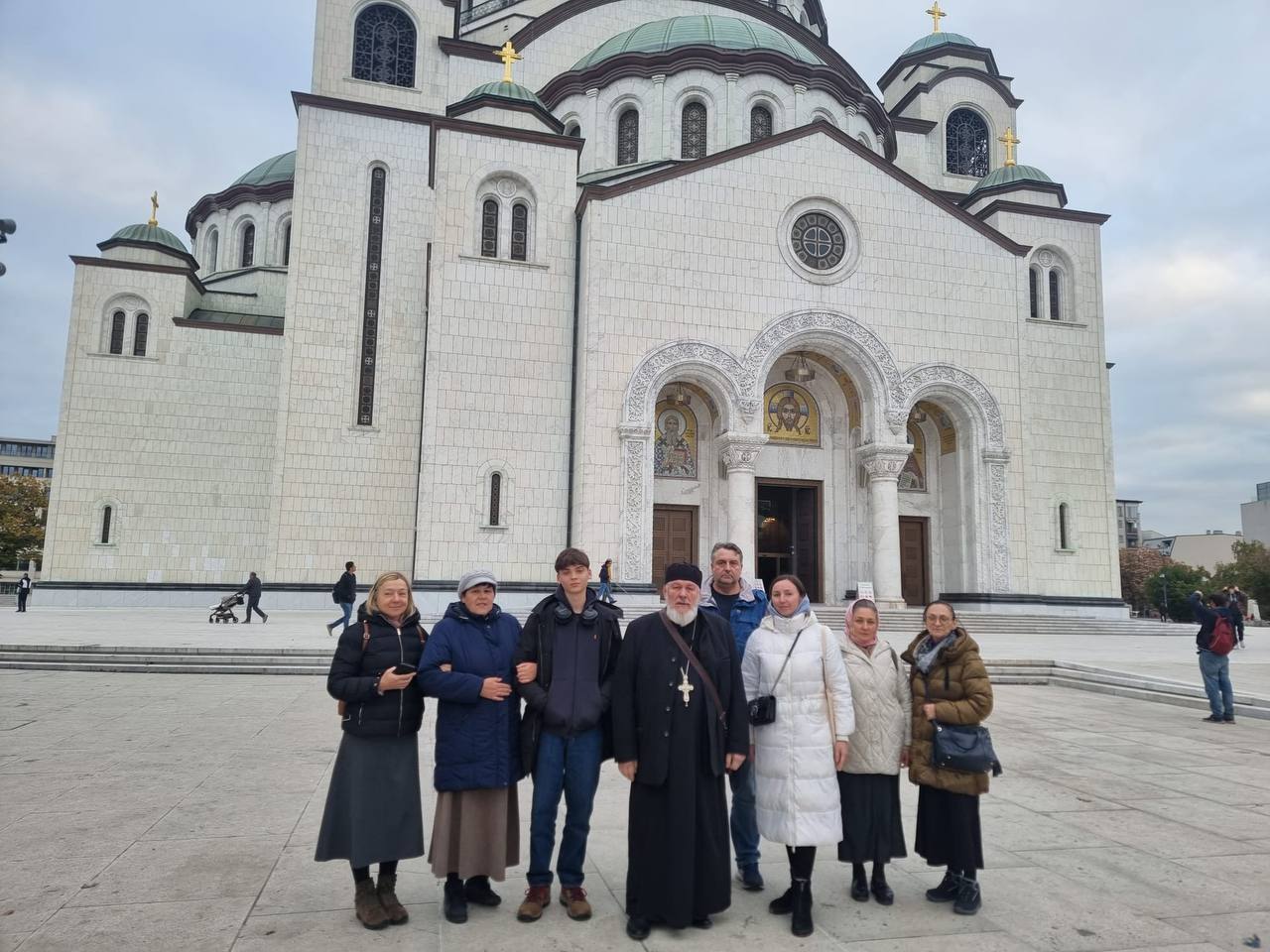
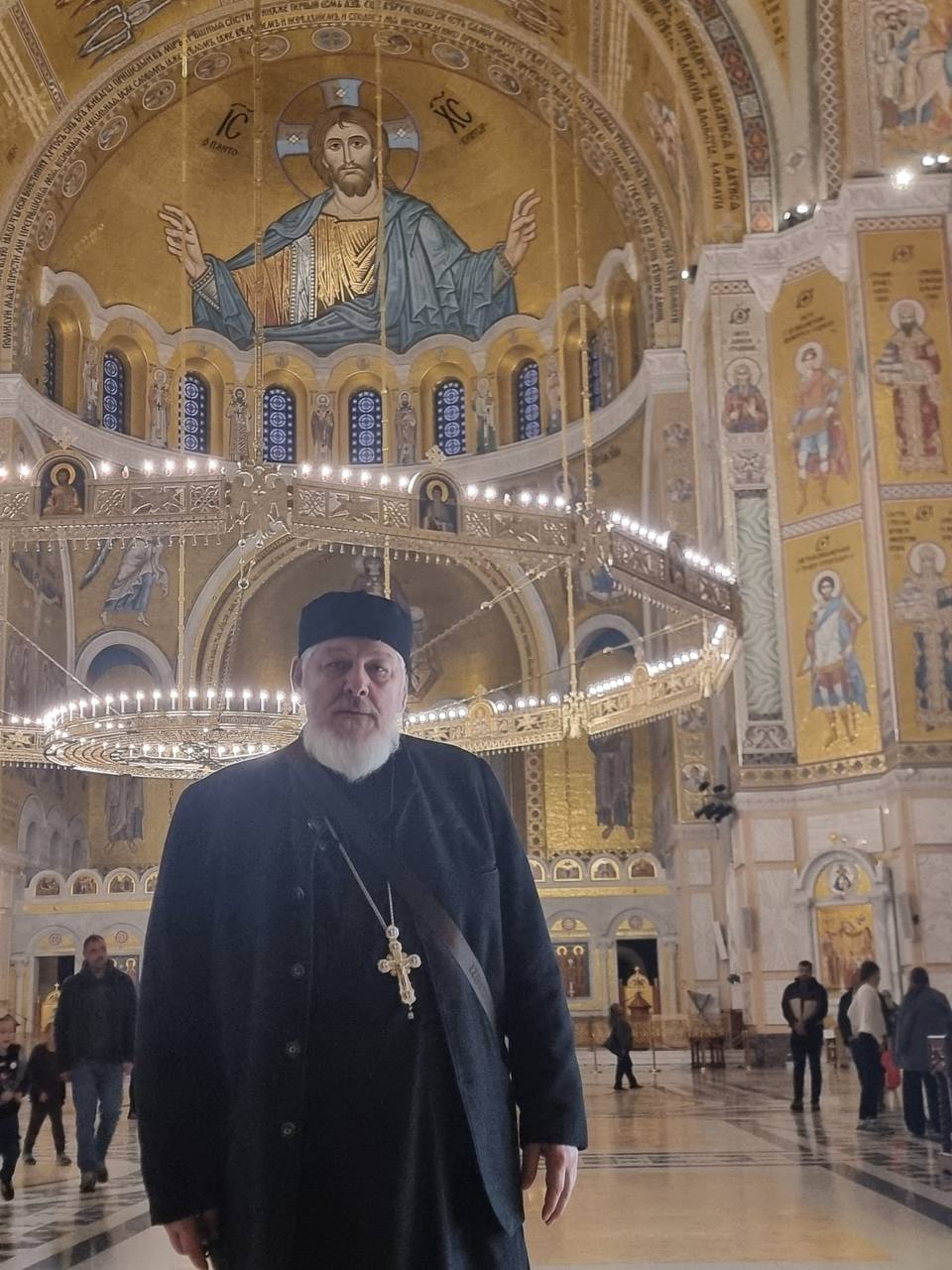
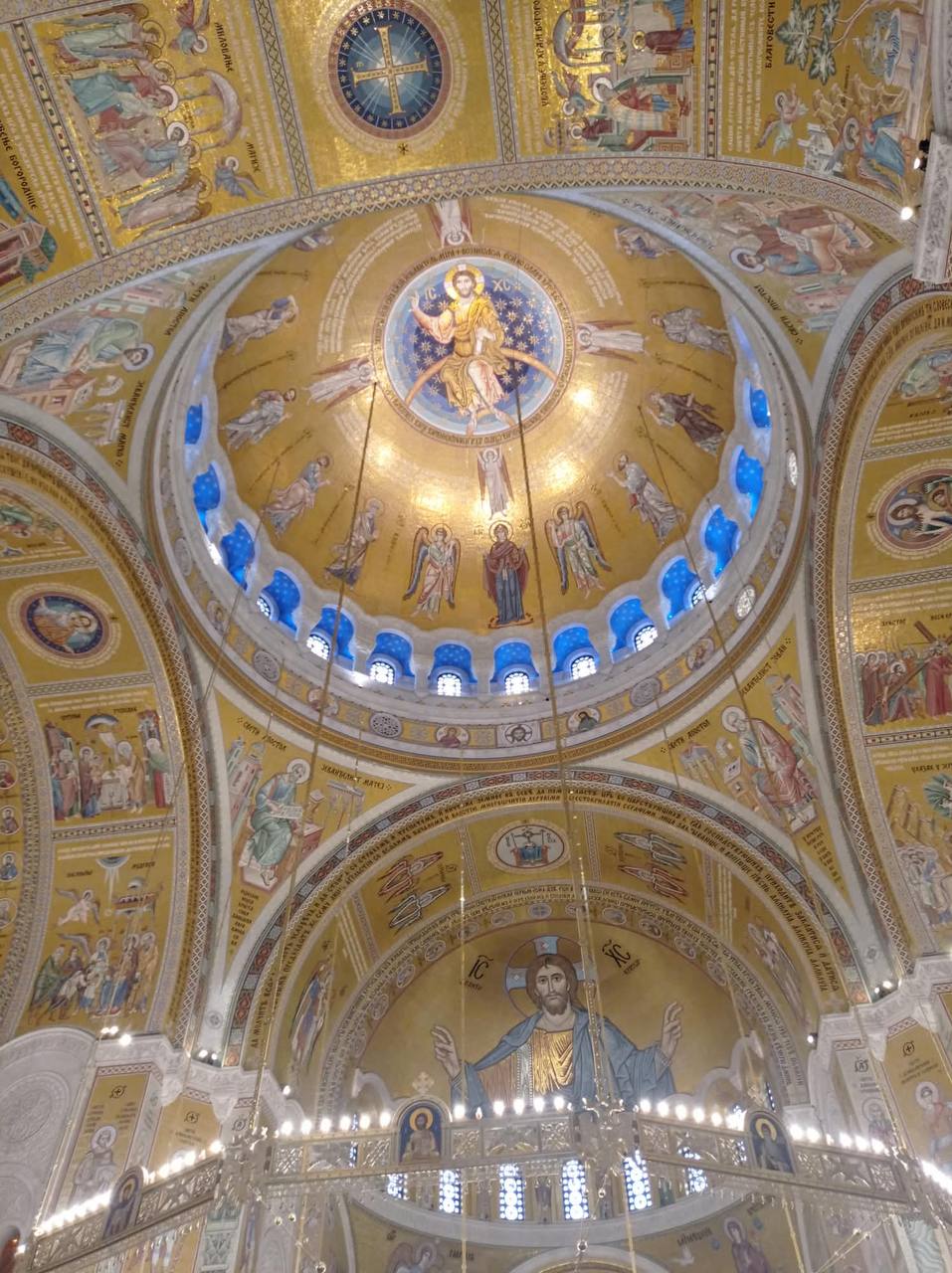
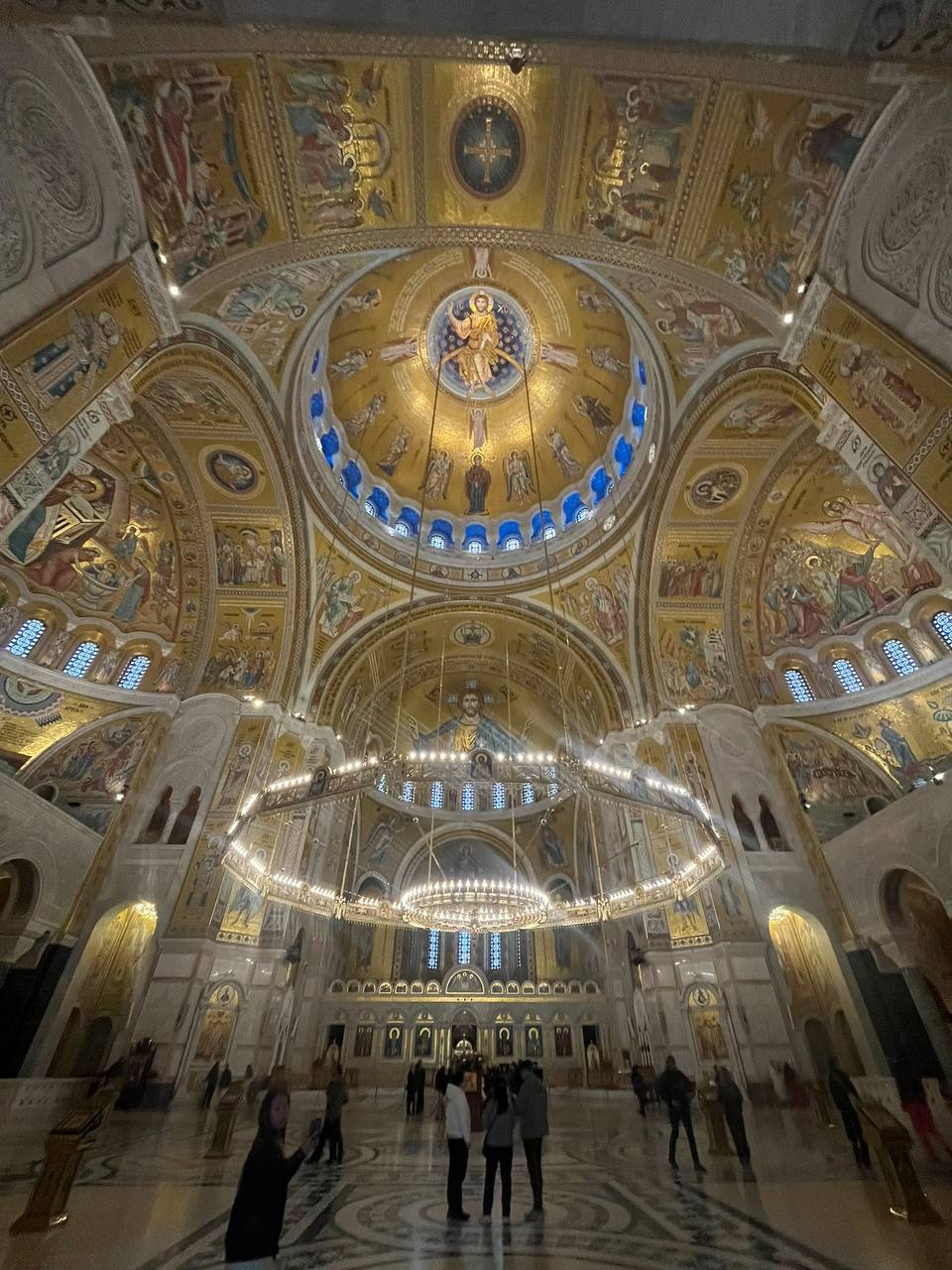
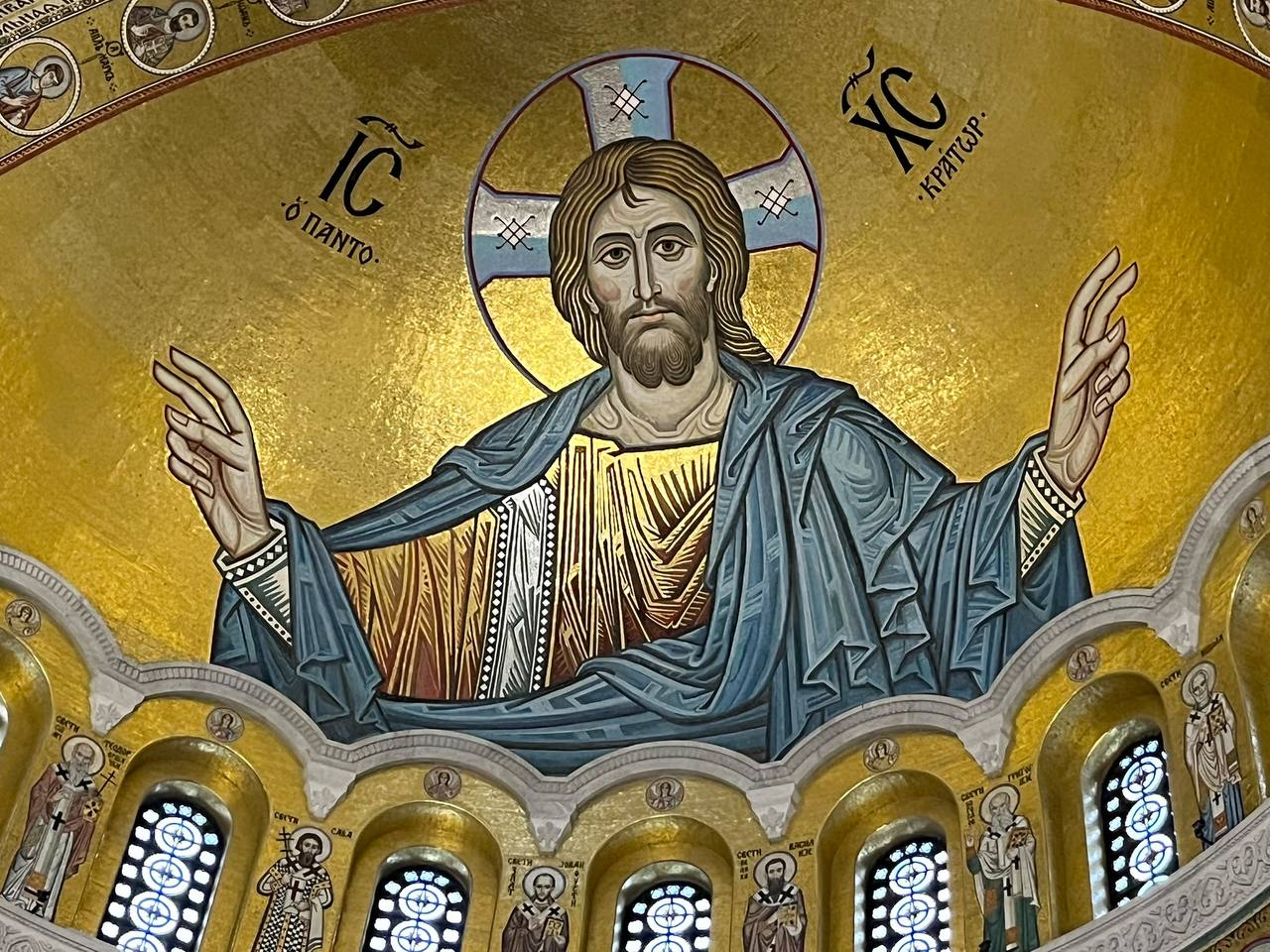
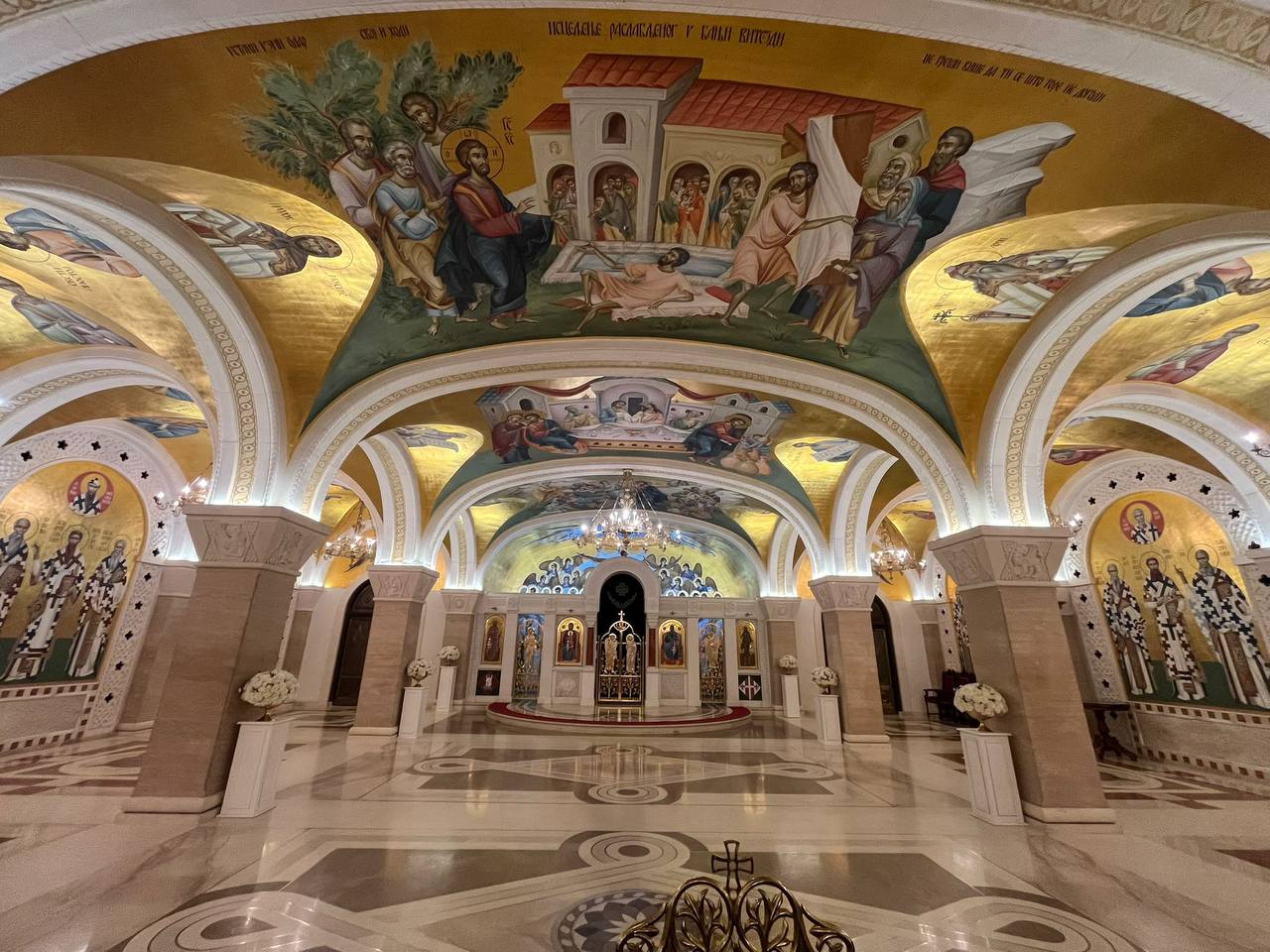
In the evening, we returned to Belgrade and visited the Church of Saint Sava, a majestic cathedral that impresses with its scale and beauty.
We visited both the main upper church and the lower crypt. In both places, we were struck by the magnificent golden-backed mosaics covering the walls, creating an atmosphere of solemnity and prayerful focus.
Serbian Hospitality
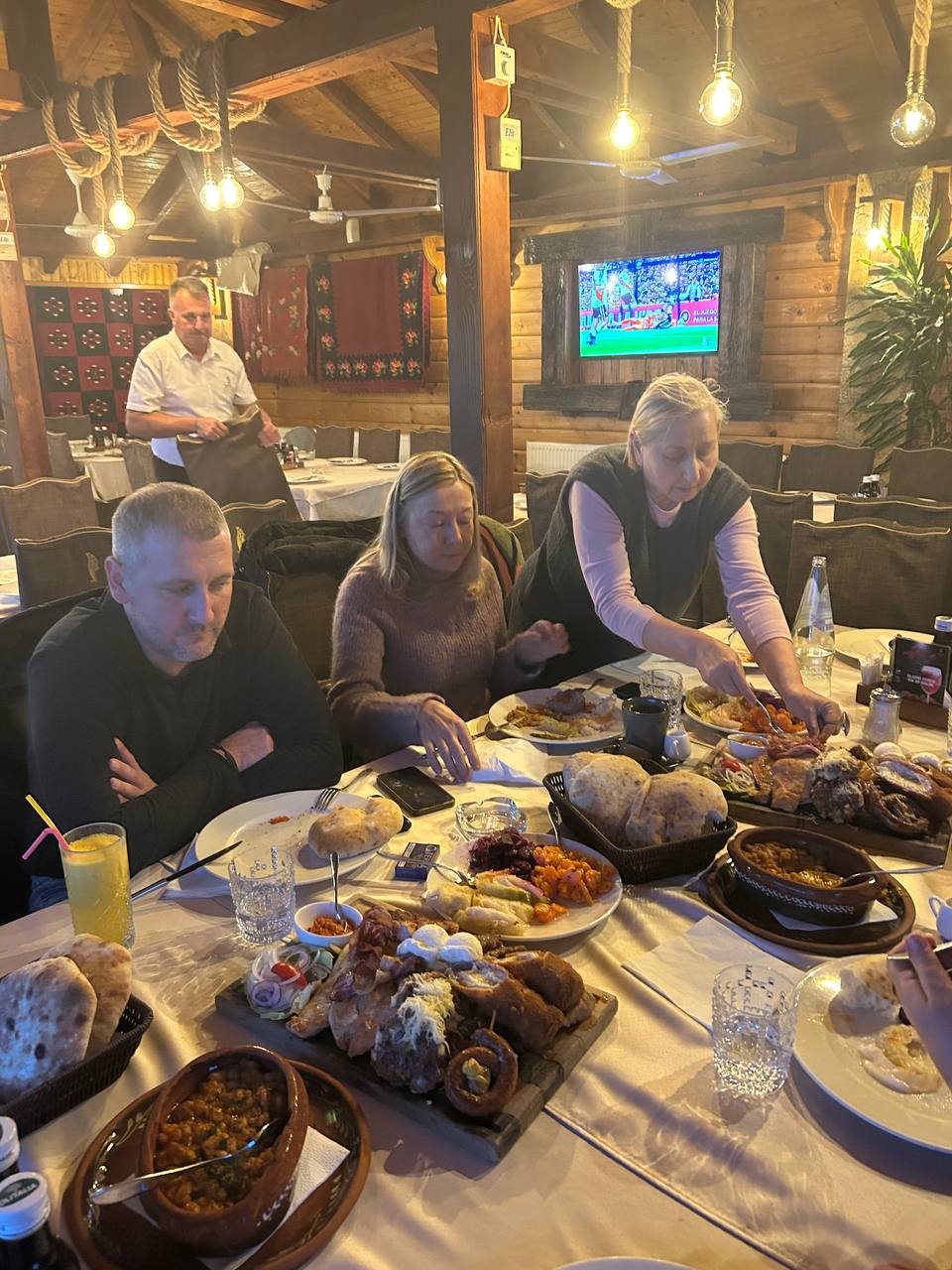
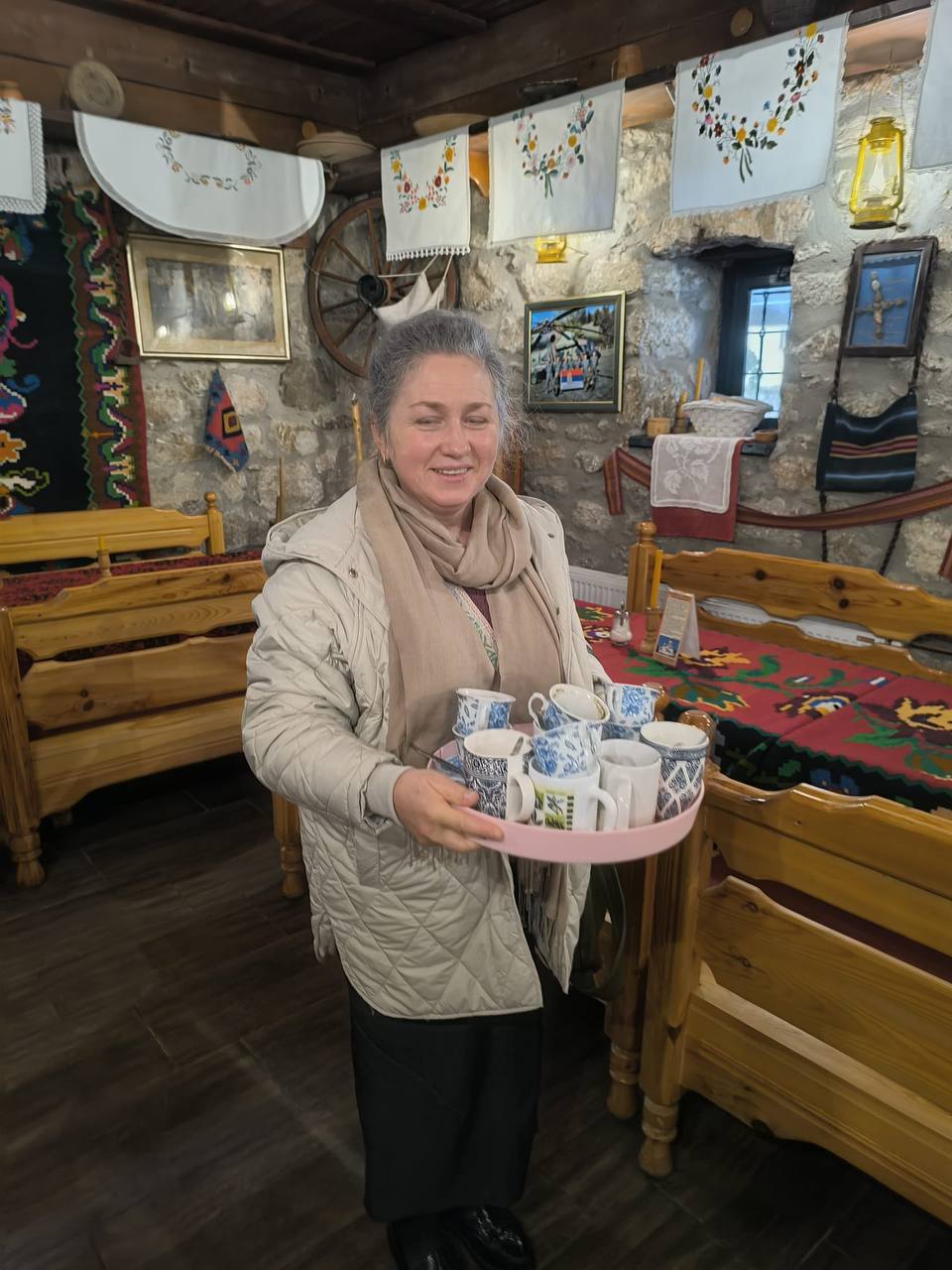
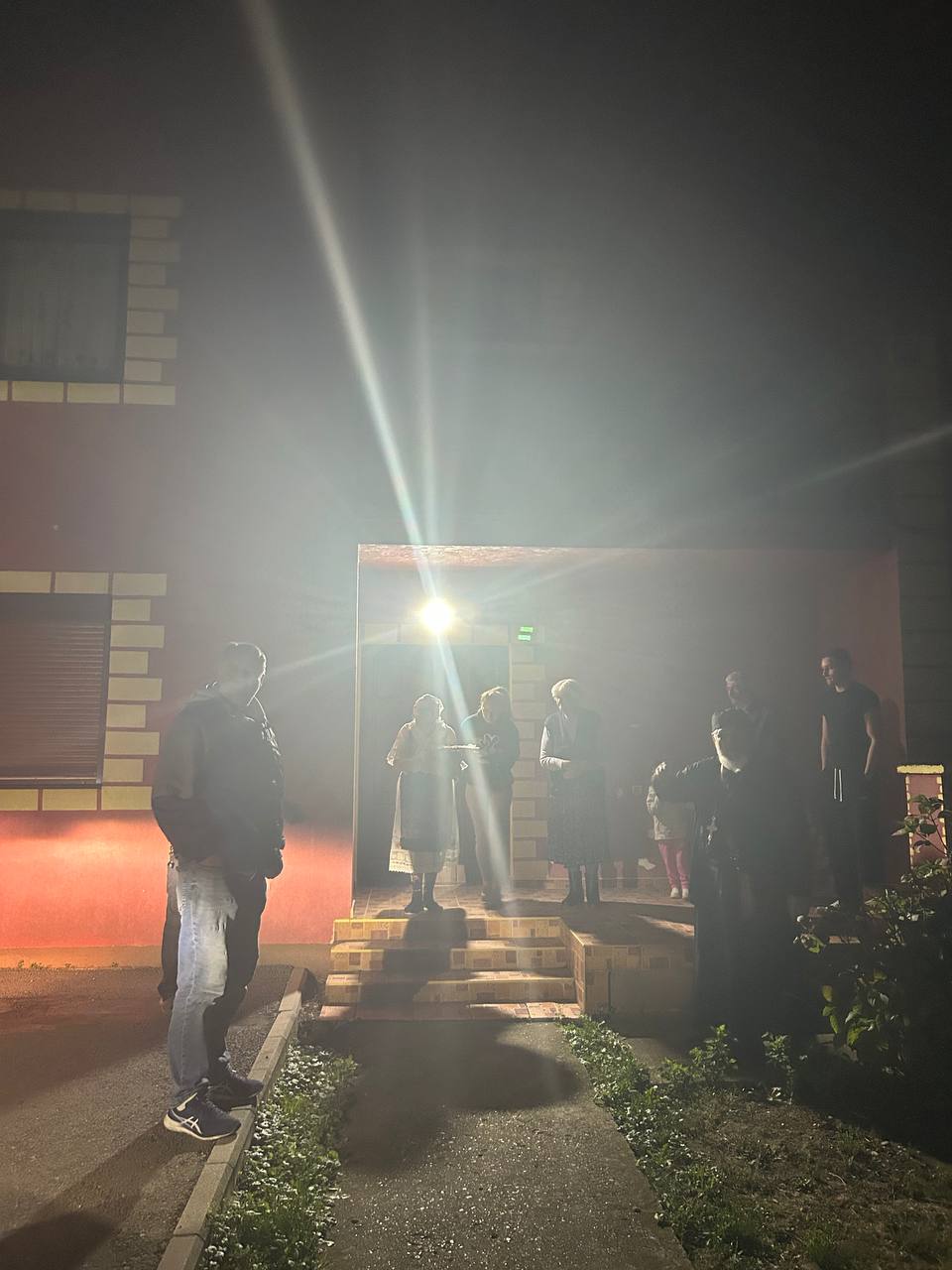
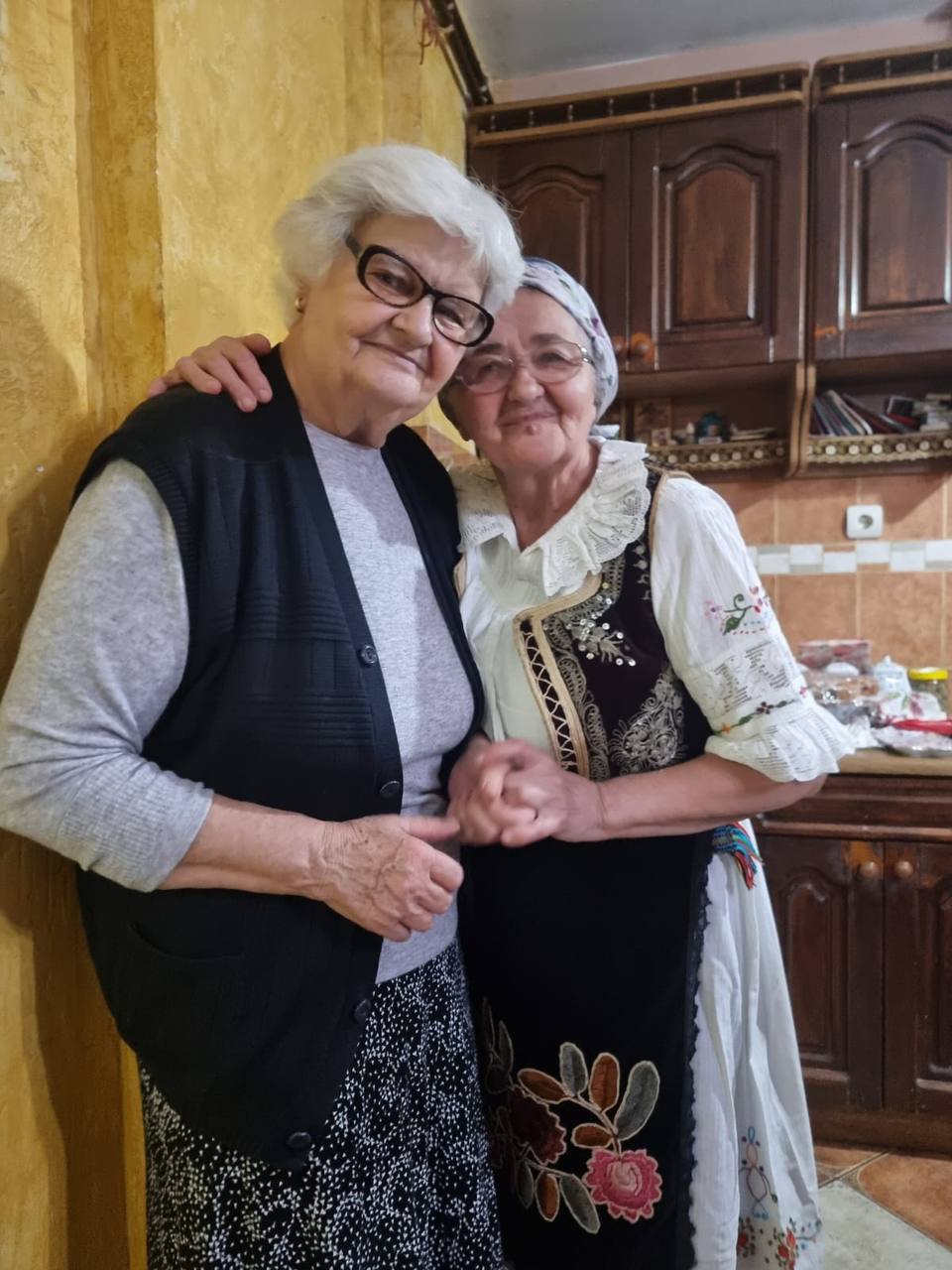
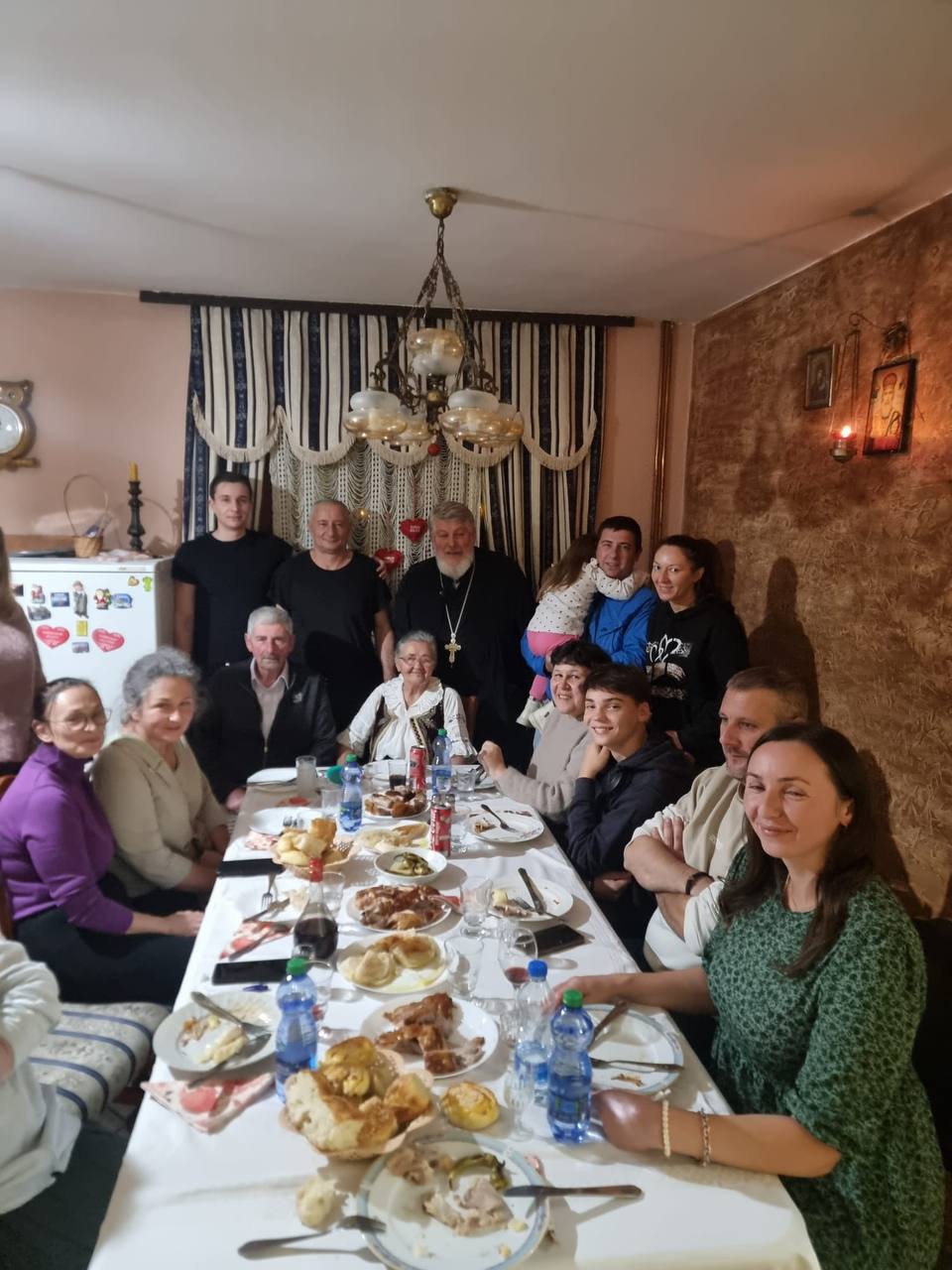
One of the warmest and most memorable moments of the trip was an invitation from our parishioner Milan to his family home.
His family welcomed us with remarkable warmth. Following Serbian tradition, guests were greeted with bread and salt. Around the family table, we felt not merely hospitality, but genuine Christian love, care, and the joy of fellowship.
Such encounters remind us that Orthodoxy unites people not only through a shared faith, but also through spiritual closeness, regardless of country or language.
A Pilgrimage That Continues in the Heart
Over a few days, we visited great holy sites, attended divine services, received the Holy Mysteries of Christ, prayed at the relics of saints, and touched the spiritual history of Serbia and Montenegro.
Yet perhaps the most important aspect of a pilgrimage is not just the places seen or the shrines venerated. It is what happens inside a person along the journey. Prayer, the silence of the monasteries, the shared journey, and the experienced moments gradually transform the heart.
We returned home transformed. And although the physical journey has ended, the pilgrimage itself does not finish upon returning home. It continues in our daily lives — through prayer, love for our neighbors, good deeds, patience, and the endeavor to live a Christian life.
We express our heartfelt gratitude to Milan for organizing this trip, for his care and hospitality, and to Father Gennady for his spiritual guidance, prayers, and the opportunity to walk this blessed path together.
Glory to God for all things!